 Save
Save There's something about the smell of curry powder hitting hot oil that instantly shifts a weeknight into something warmer, something better. I discovered this one-pot chickpea curry on a Tuesday when I was too tired to think about dinner, and somehow it became the dish I reach for whenever I need comfort food that doesn't require hours of fussing. The beauty of it is how forgiving it is—no fancy technique needed, just good spices and a pot that does most of the work for you.
I made this for a friend who was going through a rough patch, and I remember how her whole face changed when she tasted it—not because it was fancy, but because it was exactly what she needed in that moment. She went back for seconds before I could even finish plating, and we ended up talking for three hours while the pot sat empty between us.
Ingredients
- Yellow onion: This is your flavor foundation—the dicing and early sauté matter more than you'd think, as it sweetens slightly and holds the whole dish together.
- Garlic and ginger: These two are non-negotiable; fresh is absolutely worth the thirty seconds of mincing and grating, as they bring a brightness that jarred versions can't match.
- Red bell pepper: It softens into the curry and adds sweetness that balances the spices beautifully.
- Baby spinach or kale: I use spinach because it wilts almost immediately, but kale works if you prefer something with more body.
- Carrot: Optional, but it adds earthiness and texture; I include it about half the time depending on what's in my crisper.
- Chickpeas: Canned and rinsed is perfectly fine—no shame in skipping the overnight soak for a weeknight meal.
- Coconut milk: Full-fat gives better flavor, but light works too if that's what you have; don't skip this, as it's what makes the sauce silky.
- Vegetable broth: This tempers the richness of the coconut milk and lets the spices shine.
- Diced tomatoes: The acidity cuts through the richness and adds depth; canned is perfectly respectable here.
- Curry powder, cumin, turmeric, smoked paprika: These are the heart of the dish—toasting them for a minute wakes them up and deepens their flavor in a way that feels almost magical.
- Chili flakes: Heat is optional; add them if you want warmth, skip them if you're cooking for people who prefer gentler food.
- Coconut oil or olive oil: Either works, though coconut oil feels more authentic to the flavor profile.
Tired of Takeout? 🥡
Get 10 meals you can make faster than delivery arrives. Seriously.
One email. No spam. Unsubscribe anytime.
Instructions
- Build your base:
- Heat your oil and sauté the onion until it turns translucent and soft—this takes about 3-4 minutes and honestly smells incredible. You'll know it's ready when you can break a piece apart easily with a wooden spoon.
- Add the aromatics:
- Stir in the garlic, ginger, and bell pepper and let them cook for 2 minutes until the kitchen smells like something good is happening. Don't skip past this step—the aroma matters because it means the flavors are waking up.
- Toast your spices:
- Add all your dry spices and stir constantly for exactly 1 minute; this is the step that separates a flat curry from one that tastes like it knew what it was doing. You want to see them deepen slightly and smell them become more intense.
- Add the wet ingredients:
- Pour in your tomatoes, coconut milk, broth, chickpeas, and carrot (if using) and mix everything together so nothing sticks to the bottom. This is where it starts looking like actual curry.
- Simmer gently:
- Bring it to a gentle simmer, then lower the heat and cover it; cook for about 15 minutes while you do something else, stirring now and then. The curry deepens as it sits.
- Finish with greens:
- Stir in your spinach and let it wilt for 2-3 minutes uncovered—watching it transform from raw leaves to silky green ribbons is oddly satisfying. This is also when the sauce thickens naturally.
- Taste and adjust:
- Add more salt if it needs it, more heat if you want it spicier, or even a squeeze of lime to brighten the whole thing. Taste as you go.
- Serve with intention:
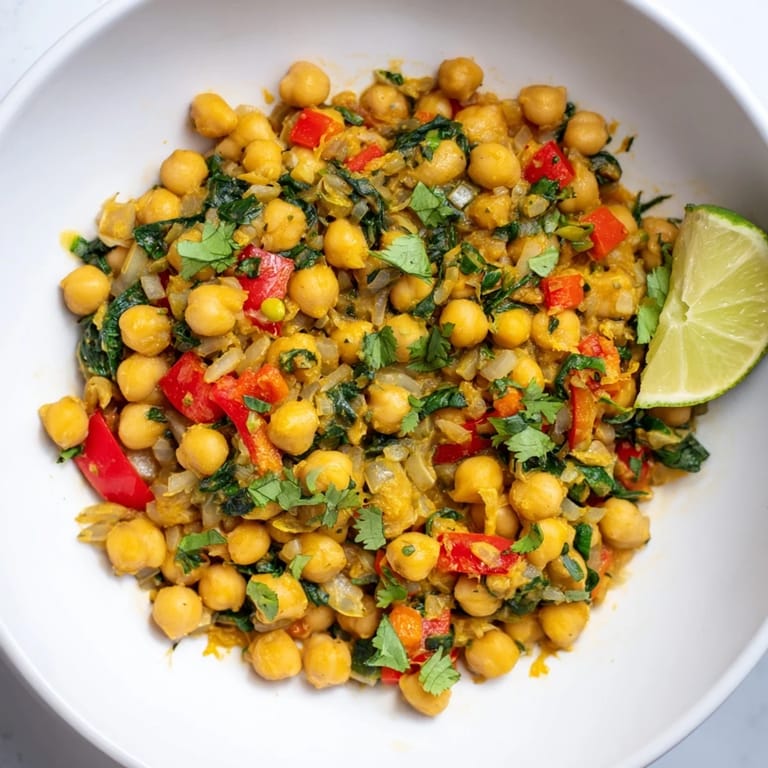
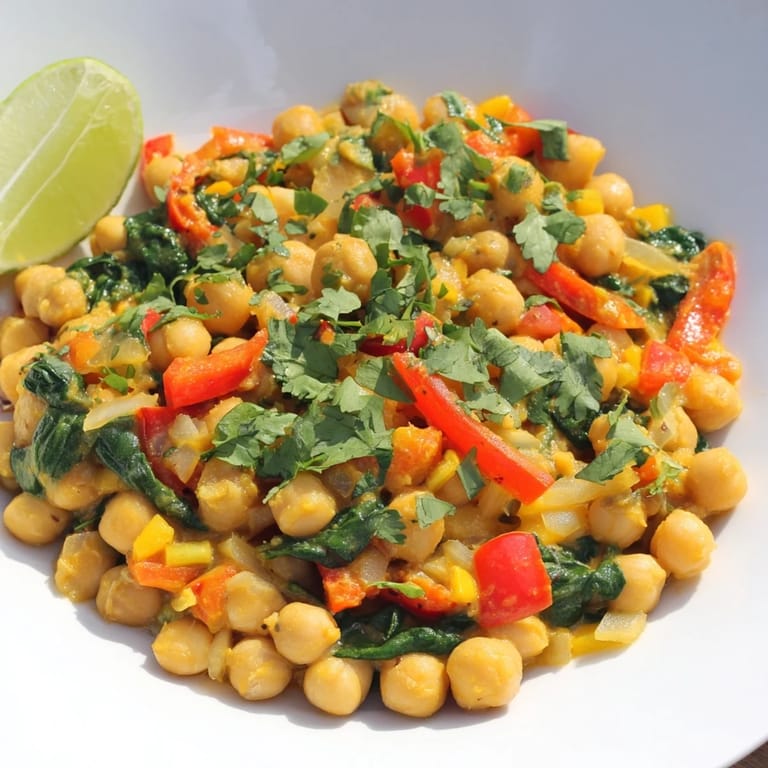
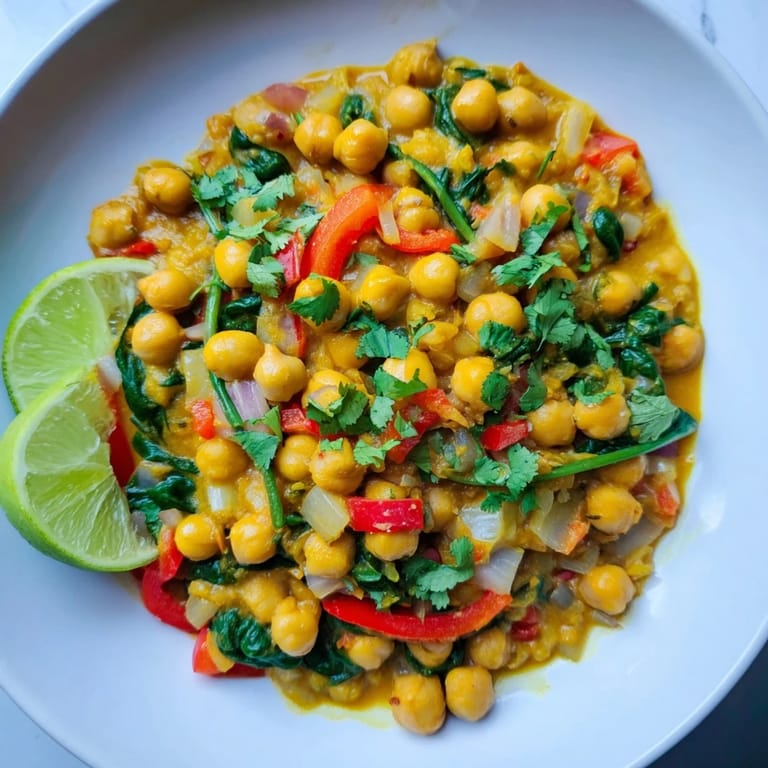
- Scoop it into bowls with a generous amount of sauce, top with fresh cilantro, a lime wedge on the side, and rice or naan if you want it. Eat it while it's hot and the steam is still rising.
 Pin it
 There's a moment in cooking when you stop thinking about the task and start thinking about the person you're feeding—that's when curry is ready. I've made this dish probably thirty times now, and it never feels routine, somehow.
Why This Works as a Weeknight Dinner
The genius of one-pot cooking isn't just about saving dishes; it's about how everything gets to know each other while it simmers. The oil carries the spice flavor into every chickpea, the broth softens the vegetables, and the coconut milk ties it all together into something that tastes like it took hours but didn't. There's also something grounding about a meal where you can see exactly what went into it.
Making It Your Own
This recipe is a foundation, not a rulebook. I've made it with Swiss chard instead of spinach, added cubed tofu for extra protein, even thrown in a handful of frozen peas once when I was out of fresh vegetables. The spice balance is designed to be approachable, but if you love heat, pile on the chili flakes or add a fresh green chili. Some people swear by basmati rice under theirs, others use naan to soak up every drop of sauce—both are right.
Storage and Reheating
This curry keeps beautifully in the refrigerator for up to four days, and it actually tastes better the next day when all the flavors have melded together properly. Reheat it gently on the stovetop with a splash of water if it's gotten too thick, or in the microwave if you're in a hurry—it never seems to suffer. I've even frozen portions in containers and pulled them out weeks later when I needed something warm and comforting on a difficult day.
- Fresh cilantro and a lime wedge make a huge difference when you're eating leftovers, so don't skip the garnish.
- If you're meal-prepping, keep the rice or naan separate until you're ready to eat, or it gets soggy.
- Let leftovers come to room temperature before refrigerating so they cool evenly.
 Pin it
 This curry is proof that some of the most nourishing meals don't need to be complicated or time-consuming. It's become one of those dishes I make when I want to feel both taken care of and like I've done something right in the kitchen.
Frequently Asked Questions
- → Can I substitute spinach with other greens?
Yes, kale or Swiss chard work well as alternatives and provide similar texture and nutrition when added near the end of cooking.
- → How can I adjust the spice level?
Omit or reduce chili flakes for a milder flavor, or add more to increase heat according to your preference.
- → What can I serve with this dish?
This curry pairs wonderfully with cooked rice varieties like jasmine or basmati, and also with naan bread for a complete meal.
- → Can I add protein to this dish?
For extra protein, try adding cubed tofu or tempeh during the simmering stage so they absorb the spices and flavors.
- → Is coconut milk necessary for the creamy texture?
Coconut milk contributes to the creamy richness and balances the spices; choosing full-fat or light depends on your preference.