 Save
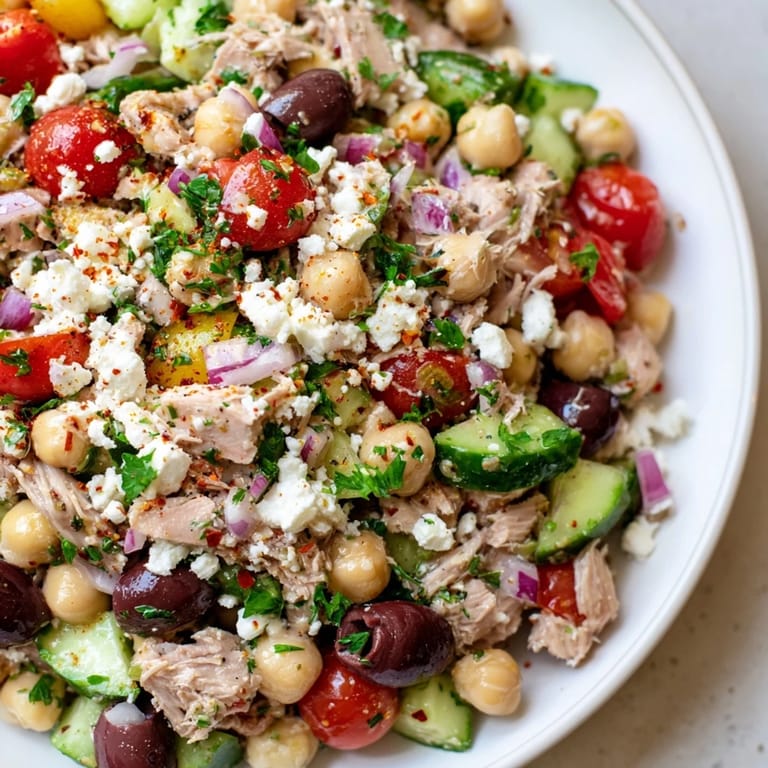
Save There's something magic about throwing together a bowl that feels both effortless and impressive. I discovered this tuna chickpea salad on a sweltering afternoon when my fridge was nearly empty except for a forgotten can of tuna and some sad cherry tomatoes that needed rescuing. Twenty minutes later, I had a lunch so vibrant and satisfying that I've made it at least twice a week ever since. It's become my go-to when I need something that tastes like I spent hours in the kitchen but actually requires just my hands and a sharp knife.
I made this for a potluck once and watched people come back for thirds, each time acting surprised that something so colorful and fresh had actually come from my kitchen. One friend asked if I'd started a catering business, which still makes me laugh. That moment taught me that simple, honest food often impresses people way more than anything complicated ever could.
Ingredients
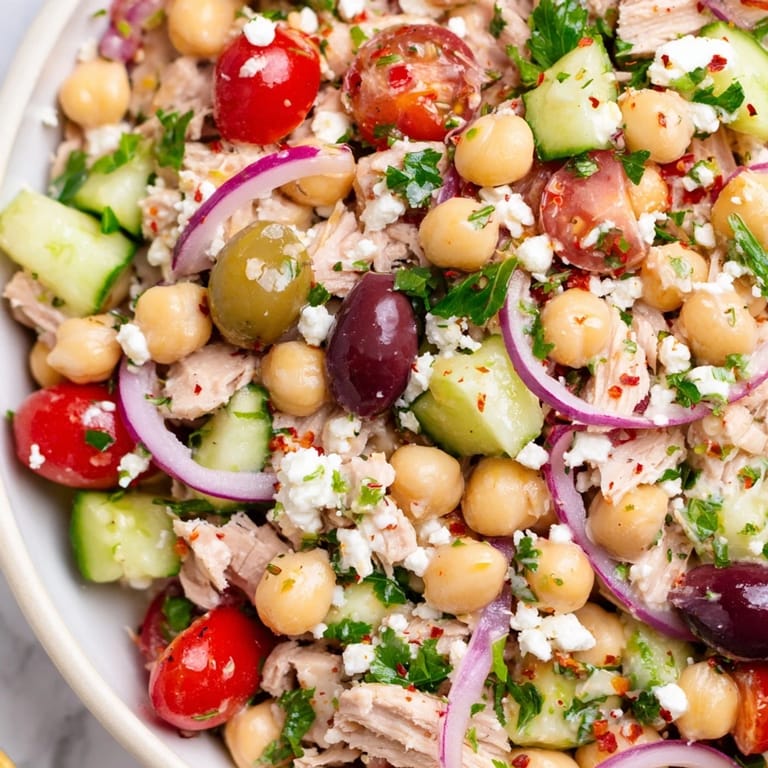
- Chickpeas (1 can, 15 oz): Drain and rinse these well to remove that starchy liquid—it makes a real difference in texture and prevents mushiness.
- Tuna (2 cans, 5 oz each): Use the kind packed in water and drain it thoroughly; the oil-packed stuff can overpower the fresh flavors you're building.
- Cherry tomatoes (1 cup, halved): Those little bursts of sweetness and acidity are what make this salad sing instead of just sitting there being virtuous.
- Cucumber (1 small, diced): Fresh and crisp, cucumber adds the textural contrast that keeps every bite interesting.
- Red onion (1/4, finely chopped): Don't skip this—its sharpness wakes up your whole palate and balances the richness beautifully.
- Fresh parsley (1/4 cup, chopped): This herb feels casual and alive compared to dried, and it brings brightness that nothing else quite replaces.
- Kalamata olives (1/4 cup, sliced, optional): If you love briny, go all in; if olives aren't your thing, the salad is honestly just as good without them.
- Extra virgin olive oil (3 tbsp): Quality matters here since it's basically the foundation of your dressing—taste it first and trust your gut.
- Fresh lemon juice (2 tbsp): Fresh is non-negotiable; bottled tastes flat and takes the whole salad down with it.
- Dijon mustard (1 tsp): This tiny amount acts like an emulsifier and adds a sophisticated whisper you won't quite be able to name.
- Garlic (1 clove, minced): One clove is enough to flavor everything without turning it into vampire repellent.
- Salt and black pepper (1/2 tsp and 1/4 tsp): Season as you taste because salt needs vary with your other ingredients and your mood.
- Feta cheese (1/4 cup, crumbled, optional): This adds a salty, tangy depth that makes the whole thing feel less like a diet salad and more like something you actually wanted.
- Red pepper flakes (pinch, optional): A tiny heat reminder at the end that brings everything into focus.
Tired of Takeout? 🥡
Get 10 meals you can make faster than delivery arrives. Seriously.
One email. No spam. Unsubscribe anytime.
Instructions
- Combine your proteins and vegetables:
- Pour your drained chickpeas and tuna into a large bowl and add the tomatoes, cucumber, red onion, parsley, and olives. At this point it looks like a bowl full of separate things, but trust that the dressing is about to make it all sing together.
- Build your dressing:
- In a small bowl, whisk the olive oil, lemon juice, mustard, garlic, salt, and pepper until it looks slightly thick and emulsified rather than separated and sad. If you've got a fork, you can absolutely make this work—just keep whisking until it comes together.
- Marry the flavors:
- Pour that dressing over your bowl and toss gently but thoroughly, making sure every piece gets coated. This is where the magic happens and everything transforms from ingredients into an actual salad.
- Add your finishing touches:
- Top with crumbled feta and a pinch of red pepper flakes if you're using them. These aren't just garnish—they're the final notes that make this salad feel complete.
- Serve or store:
- Eat it right away if you love maximum crunch, or cover and refrigerate for up to two days if you prefer your salad more cohesive and flavorful. It genuinely gets better as it sits.
 Pin it
 I brought this to a family lunch once and my aunt, who's usually skeptical of anything that looks virtuous, went back for seconds and asked for my recipe written down. She said it tasted like actual food instead of salad, which I think is the highest compliment she could give.
Why This Salad Changed My Lunch Game
Before this salad, I was stuck in a rut of sad desk lunches that I'd force myself to eat out of obligation. This shifted something about how I think about quick meals—it proved that you don't need hours or complexity to make something both nourishing and genuinely delicious. The fifteen-minute timer stopped feeling like a limitation and started feeling like a superpower.
Making It Your Own
The beautiful thing about this salad is that it's a canvas more than a command. I've added diced bell pepper when my garden was overflowing, swapped in white beans when I ran out of chickpeas, and even thrown in some roasted cauliflower when I wanted extra substance. Each version taught me something different about what flavors actually need each other and what's just there for show.
Meal Prep Secrets and Serving Ideas
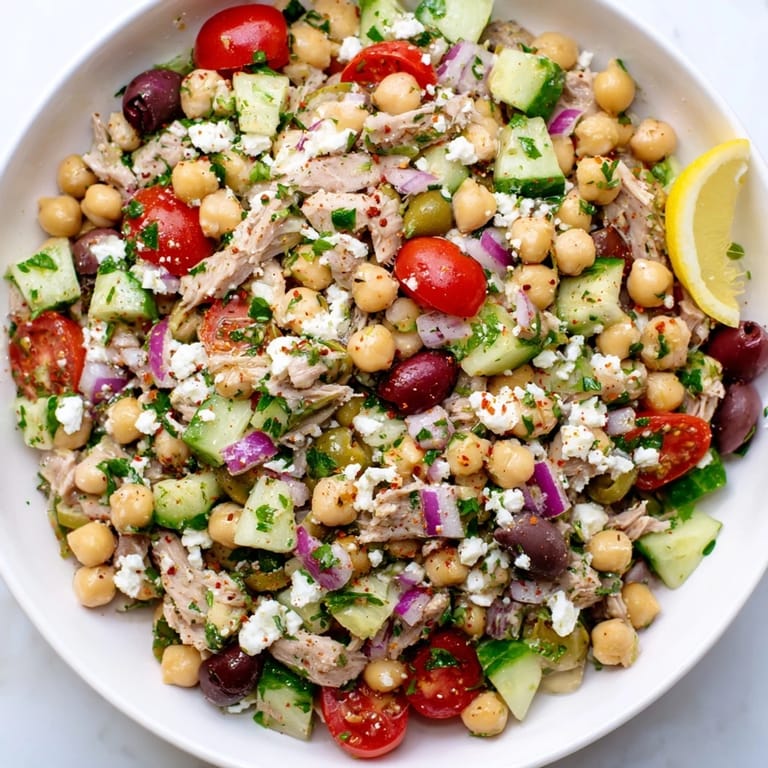
This is one of the rare salads that actually improves as it sits in the fridge, with the flavors getting to know each other and the texture becoming less aggressively crunchy. I make a double batch on Sunday and eat from it all week without getting bored. You can serve it as is, pile it on a bed of greens, stuff it into a pita, or layer it in a mason jar for the most satisfying lunch you could possibly transport to work.
- Make the dressing in a jar with a tight lid so you can shake it and grab it whenever you need to refresh a batch.
- Store everything separately until you're ready to eat if you want maximum crunch, or toss it all together if you prefer it more integrated and flavorful.
- Double the recipe and you've got three lunches sorted before you've even really started your week.
 Pin it
 This salad has become my proof that you don't need to choose between what's quick and what's actually good. It's earned permanent real estate in my rotation.
Frequently Asked Questions
- → Can I use fresh tuna instead of canned?
Fresh tuna can be grilled or seared and chilled before combining with the other ingredients for a different texture and flavor profile.
- → How should I store the bowl for later use?
Store the prepared bowl in an airtight container in the refrigerator for up to 2 days to maintain freshness and flavor.
- → Is it possible to make this dish dairy-free?
Yes, simply omit the optional feta cheese or substitute with a dairy-free alternative.
- → Can I add other vegetables to this bowl?
Adding diced bell peppers, celery, or greens can enhance texture and nutrition without overpowering the dish.
- → What kind of dressing complements this protein bowl?
A light dressing of olive oil, lemon juice, Dijon mustard, and garlic balances the flavors while adding bright acidity.