 Save
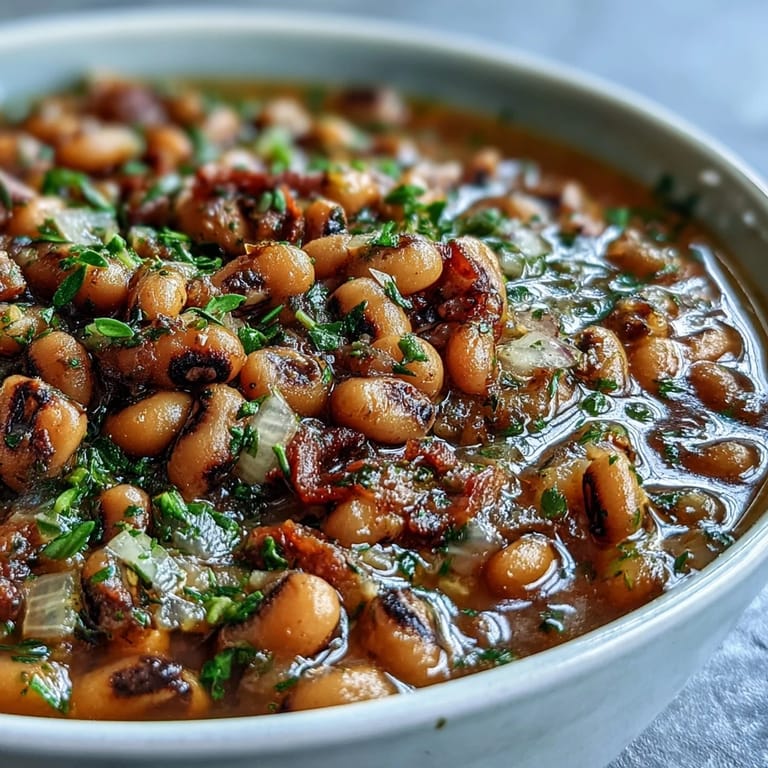
Save My grandmother kept a box of frozen black-eyed peas in her freezer year-round, and one rushed Tuesday evening when I was visiting, she pulled them out with a knowing smile. Twenty-five minutes later, our kitchen smelled like home—that warm, savory blend of garlic and smoked paprika filling every corner. I watched her stir the pot with an ease that came from making this dish a hundred times before, and realized that sometimes the quickest meals carry the deepest comfort. This version honors that simplicity while delivering everything you'd want from a proper Southern side.
The first time I made this for friends who were skeptical about canned anything, I watched their faces change with the first bite. One of them asked if I'd cooked the peas myself from scratch, and when I laughed and showed her the frozen bag, she demanded the recipe on the spot. That's when I knew this dish had something real going for it—it doesn't announce itself as quick or convenient, it just tastes genuinely good.
Ingredients
- Frozen black-eyed peas (2 cups) or canned (2 cans, drained and rinsed): The backbone of this dish; frozen peas hold their shape beautifully and cook through evenly, while canned works just as well if you rinse away the excess sodium.
- Olive oil (1 tablespoon): Just enough to build a flavorful base without making the dish heavy or greasy.
- Small onion, finely chopped: Chopping it small means it softens quickly and disappears into the broth, creating sweetness and depth.
- Garlic cloves (2), minced: The thirty-second sizzle is crucial—you want fragrant, not burned.
- Vegetable or chicken broth (1 ½ cups): This is your liquid gold; use what you have on hand, but avoid super salty versions or adjust salt at the end.
- Smoked paprika (½ teaspoon): This is the secret whisper that makes people wonder what you did differently; it adds warmth and a subtle smokiness without overpowering.
- Dried thyme (½ teaspoon): Earthy and gentle, it ties everything together like a quiet friend who says exactly the right thing.
- Black pepper (¼ teaspoon) and salt (½ teaspoon): Taste as you go because some broths are saltier than others, and you want balance.
- Bay leaf: Remove it before serving—it's a flavor builder, not something to eat.
- Diced tomatoes (½ cup, optional): Fresh or canned, they add brightness and a subtle tang that rounds out the richness.
- Cayenne pepper (¼ teaspoon, optional): A gentle heat that creeps in at the finish if you want a little kick.
- Fresh parsley (2 tablespoons, chopped): Sprinkled on top just before serving, it adds color and a fresh note that lifts the entire dish.
Tired of Takeout? 🥡
Get 10 meals you can make faster than delivery arrives. Seriously.
One email. No spam. Unsubscribe anytime.
Instructions
- Build Your Base:
- Pour the olive oil into your medium saucepan over medium heat and let it warm for about thirty seconds. Add the finely chopped onion and sauté for three to four minutes, stirring often, until the pieces turn soft and translucent—this is when the kitchen starts smelling wonderful.
- Wake Up the Garlic:
- Stir in your minced garlic and cook for just thirty seconds, keeping the spoon moving so it perfumes the oil without browning or turning bitter. You'll smell when it's ready—that sharp, fresh aroma is your signal to move forward.
- Bring Everything Together:
- Stir in the black-eyed peas, broth, smoked paprika, thyme, black pepper, salt, bay leaf, and tomatoes if you're using them. The mixture should look generous and well-combined, with the peas floating in the broth and spices coating everything.
- Let It Simmer:
- Bring the pot to a gentle simmer, which takes about three to four minutes, then lower the heat slightly and cover with a lid. Stir occasionally over the next fifteen to eighteen minutes—you're not doing much here, just checking in and making sure nothing sticks to the bottom. The peas should be tender and the liquid should smell absolutely incredible.
- Taste and Finish:
- Remove the bay leaf, take a spoonful, taste it, and adjust salt or pepper if needed. This is your moment to make it exactly yours—some people love extra pepper, others prefer a touch more salt.
- Plate and Garnish:
- Spoon into serving bowls and scatter fresh parsley on top if you have it, which adds a bright finishing touch and shows you cared.
 Pin it
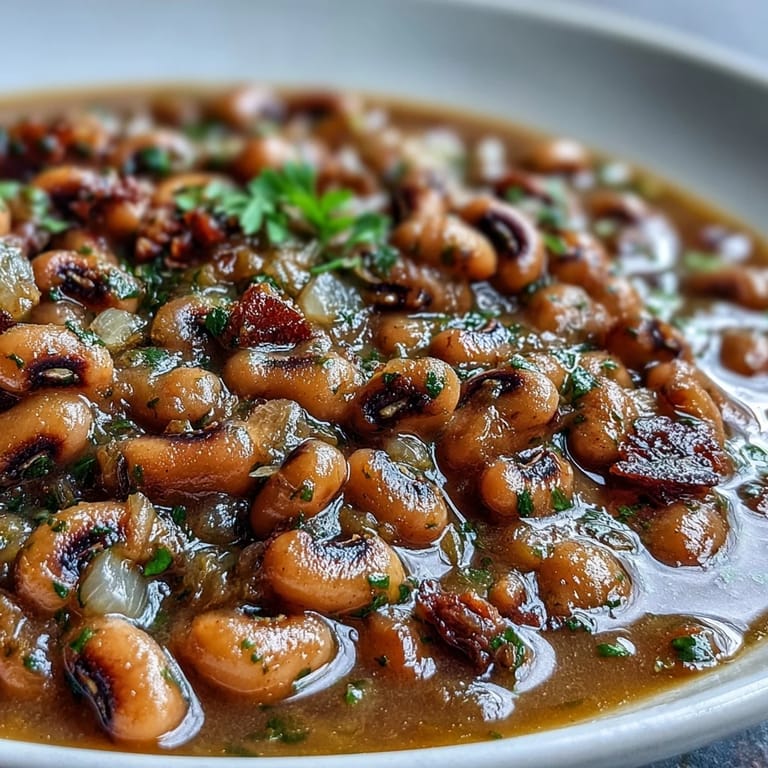
 My neighbor once brought this dish to a potluck as a test recipe, and three people came back asking how long she'd been simmering it. When she told them twenty minutes from start to finish, someone said, "No, that's not possible," but tasted it again anyway. That's the magic of this recipe—it doesn't announce itself as quick, it just tastes like love and intention.
Why Smoked Paprika Makes All the Difference
I used to make black-eyed peas without any spice beyond salt and pepper, and they were fine—just fine. Then a friend mentioned smoked paprika in passing, and I added it almost by accident one evening, not quite believing such a small amount could matter. The next bite changed everything; suddenly the dish had depth and warmth without tasting like anything other than itself, just a better version. That half-teaspoon became the reason people ask for this recipe, even though they can't quite identify what makes it special.
Flexibility and Variations
This recipe holds up beautifully to tweaks and additions, which is partly why I love it. I've added diced bell peppers for color, thrown in cooked bacon because someone brought it to dinner, and once even stirred in a handful of fresh spinach at the very end. The core—the onion, garlic, smoked paprika, and that gentle simmer—stays the same, so you're always building on something solid.
Serving and Pairing Ideas
On its own, this dish is light and satisfying, but it becomes something special when you pair it thoughtfully. Cornbread is the obvious choice and for good reason, but I've also served it over rice, alongside roasted chicken, or even spooned into a bowl with a crusty piece of bread for soaking up every last drop. My favorite serving is on a cold evening with cornbread and a simple green salad, which feels complete without being heavy.
- Cornbread is your traditional partner, but rice, grits, or even crusty bread all work beautifully.
- Add a simple salad with vinaigrette on the side to lighten the plate.
- For heartiness, top with a fried egg or crumbled bacon if you're not keeping it vegetarian.
 Pin it
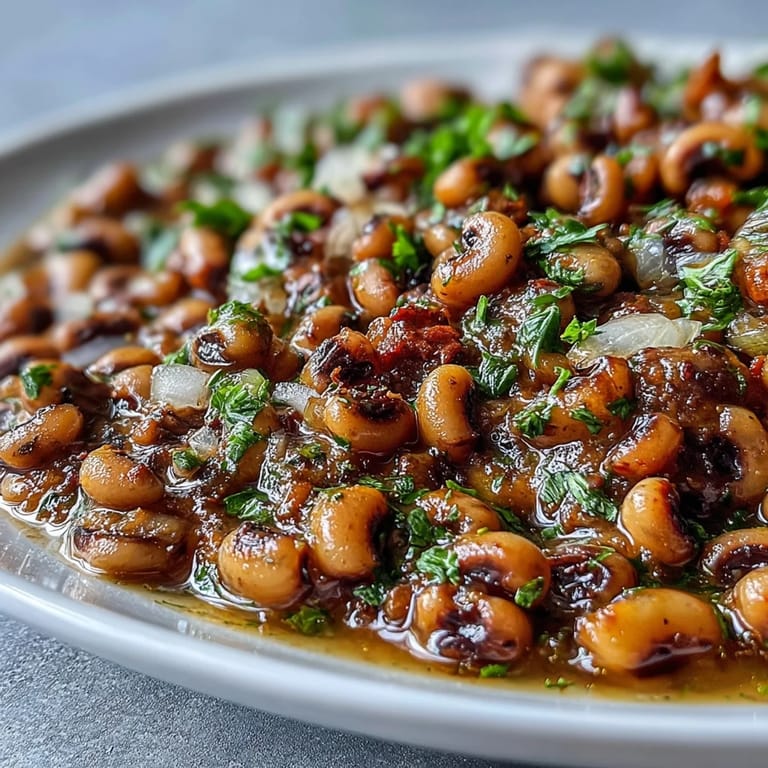
 This quick version of black-eyed peas proves that good food doesn't require hours of attention or a long ingredient list. It just requires caring enough to build flavor from the start and respecting the simple ingredients you're working with.
Frequently Asked Questions
- → Can I use canned black-eyed peas instead of frozen?
Yes, canned black-eyed peas work perfectly. Use two 15-ounce cans, drained and rinsed. Reduce the cooking time to 10-12 minutes since canned peas are already tender.
- → How can I add more protein to this dish?
Dice cooked ham, bacon, or smoked turkey and add it during step 3. This transforms the side into a hearty main dish with additional protein and smoky depth.
- → What's the best way to serve these black-eyed peas?
Serve over steamed white rice for a complete meal, or alongside cornbread, collard greens, and fried chicken for a traditional Southern spread. They also pair well with grilled meats.
- → Can I make this dish spicy?
Absolutely. Add ¼ teaspoon cayenne pepper with the other spices, or include diced jalapeño when sautéing the onions. Adjust the heat level to your preference.
- → How long will leftovers keep in the refrigerator?
Store in an airtight container for up to 4 days. The flavors continue to develop over time. Reheat gently on the stove, adding a splash of broth if needed.
- → Is this dish suitable for meal prep?
Yes, these black-eyed peas reheat beautifully. Make a batch on Sunday and portion into containers for easy lunches throughout the week. The texture and flavor remain excellent after reheating.