 Save
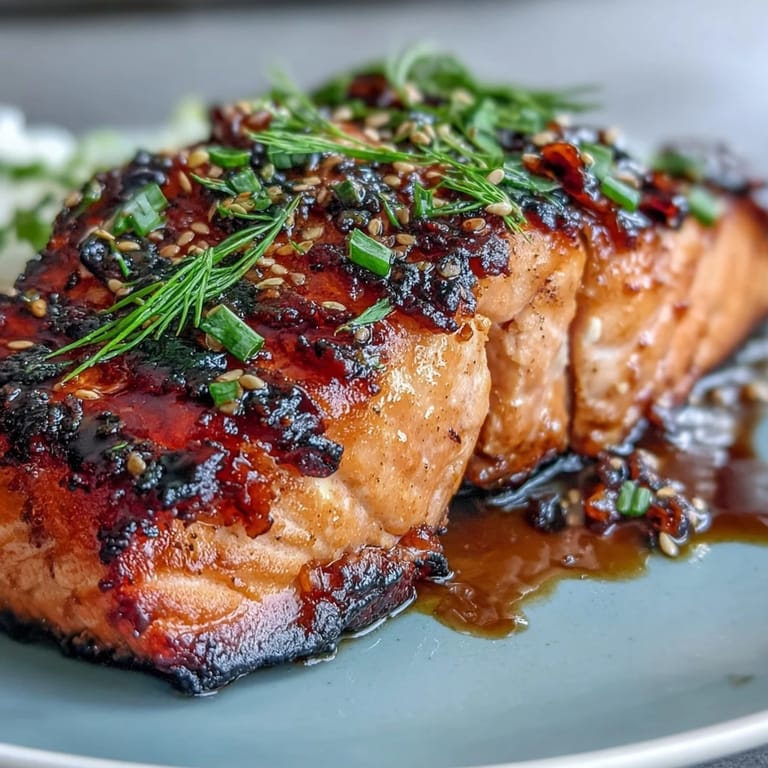
Save There's something about the way miso paste transforms in the oven that caught me off guard the first time I made this. The kitchen filled with this deep, toasty aroma that felt more like a Japanese restaurant than my modest stovetop, and I realized salmon didn't have to be complicated to be spectacular. My partner walked in mid-cook and asked what smelled so good, and I didn't have a fancy answer, just a simple glazed fillet and some greens. That's when it clicked: the best meals are often the ones that taste like you spent hours but took barely thirty minutes.
I made this for a dinner party once when I was nervous about impressing someone who cooked professionally. Instead of stressing, I leaned into the simplicity of it, and that turned out to be exactly what made it work. There's something disarming about a plate that looks thoughtful but doesn't scream effort, and watching them go back for seconds without a single question about the recipe felt like the highest compliment.
Ingredients
- Salmon fillets, 4 (about 150 g each): Look for ones with good color and a firm feel when you press them lightly; skip anything that smells fishy or looks dull.
- White miso paste, 2 tbsp: This is the backbone of your glaze, so find a good one and keep it in the fridge once opened.
- Mirin, 1 tbsp: If you can't find it, dry sherry works, though the sweetness profile shifts slightly.
- Low-sodium soy sauce, 1 tbsp (plus 1 tbsp for spinach): Low-sodium matters here because you're reducing and concentrating flavors.
- Honey or maple syrup, 1 tbsp: This balances the miso's saltiness and helps create that caramelized top.
- Sesame oil, 1 tsp: A little goes a long way, so don't skip the measurement even though it seems small.
- Fresh grated ginger, 1 tsp (plus 1 tbsp julienned for spinach): Ginger adds brightness and cuts through the richness of the salmon beautifully.
- Olive or sesame oil, 2 tbsp: Use sesame oil if you want to echo the flavor in the glaze, or olive oil if you prefer something more neutral.
- Shallot, 1 large, thinly sliced: Shallots are gentler than onions and mellow out as they cook.
- Garlic cloves, 2, minced: Fresh garlic is worth the extra thirty seconds of mincing.
- Fresh baby spinach, 400 g (14 oz): Baby spinach wilts down beautifully and has a milder flavor than mature leaves.
- Black pepper and lemon wedges: Black pepper goes on at the end so it keeps its bite, and lemon is the final bright note that ties everything together.
Tired of Takeout? 🥡
Get 10 meals you can make faster than delivery arrives. Seriously.
One email. No spam. Unsubscribe anytime.
Instructions
- Heat your oven and prep your space:
- Preheat to 200°C (400°F) and line a baking tray with parchment paper so your salmon releases cleanly and cleanup is effortless. Having everything ready before you start makes the next fifteen minutes feel calm instead of rushed.
- Mix your glaze:
- Whisk the miso paste, mirin, soy sauce, honey, sesame oil, and grated ginger together in a small bowl until it's smooth and glossy. You want it thick enough to cling to the salmon but not so thick it won't spread.
- Prepare and glaze the salmon:
- Pat your salmon fillets dry with a paper towel—this is the one step that actually matters for getting a nice surface. Place them on the prepared tray and brush each fillet generously with the miso glaze, making sure it coats the top.
- Bake until just cooked:
- Slide the tray into the oven and set a timer for 10 to 12 minutes, watching for the edges to turn opaque and the glaze to caramelize slightly. The salmon will continue cooking a touch after you pull it out, so don't wait for it to flake apart.
- Sauté your aromatics:
- While the salmon is in the oven, heat your oil in a large skillet over medium heat and add the shallot, garlic, and julienned ginger. After about a minute, your kitchen will smell impossibly good.
- Wilt the spinach:
- Add the spinach in batches, stirring gently until each batch softens before adding more—this prevents the skillet from becoming a steaming mess. Season with soy sauce and black pepper right before the salmon comes out of the oven.
- Plate and serve:
- Divide the warm spinach among plates, top each portion with a miso-glazed salmon fillet, and serve with lemon wedges on the side. Squeeze the lemon over just before eating to brighten everything up.
 Pin it
 There was a moment during one of these dinners when my daughter, who usually picks at anything leafy, ate the spinach without complaining. It wasn't because I'd tricked her or hidden something; it was because the ginger and soy had made it taste like something worth eating. That's when I understood that good food often comes down to respecting your ingredients enough to let them shine.
Why the Miso Glaze Works
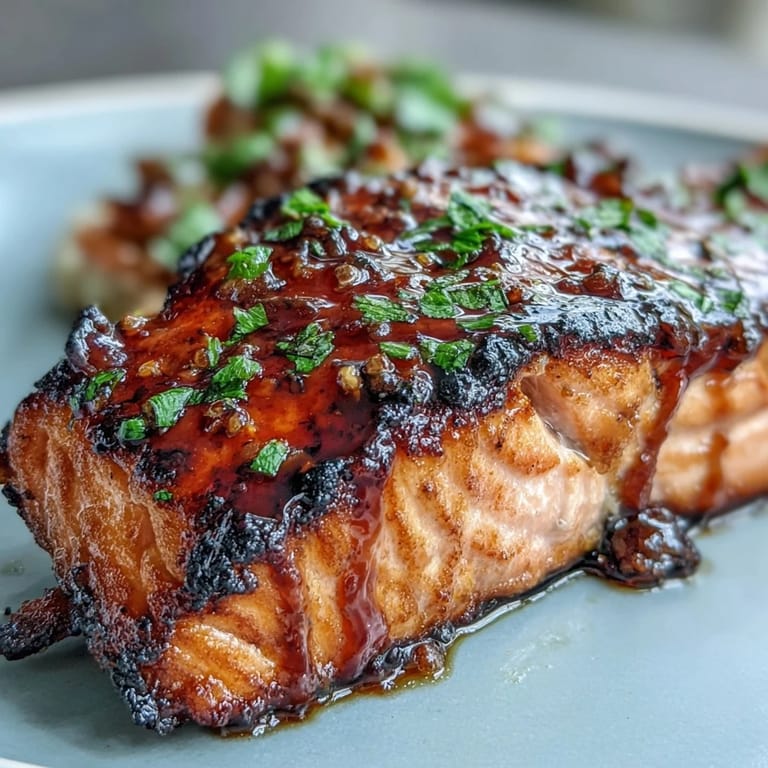
Miso paste is fermented, which means it already has this complex, deep flavor that salt alone could never achieve. When you mix it with honey and sesame oil, you're creating something that clings to the salmon and caramelizes slightly in the oven, forming a thin crust that's savory, slightly sweet, and utterly irresistible. The ginger cuts through the richness just enough to keep the whole thing from feeling heavy, even though it's clearly indulgent.
Building Layers of Flavor
The spinach isn't just a supporting player here; it's part of a strategy. The warm, slightly peppery greens create a cushion for the salmon that makes the whole plate feel more substantial, and the ginger running through both components ties them together in a way that feels intentional. When you taste each element, you're tasting something different, but together they're clearly meant to be on the same plate.
The Finishing Details
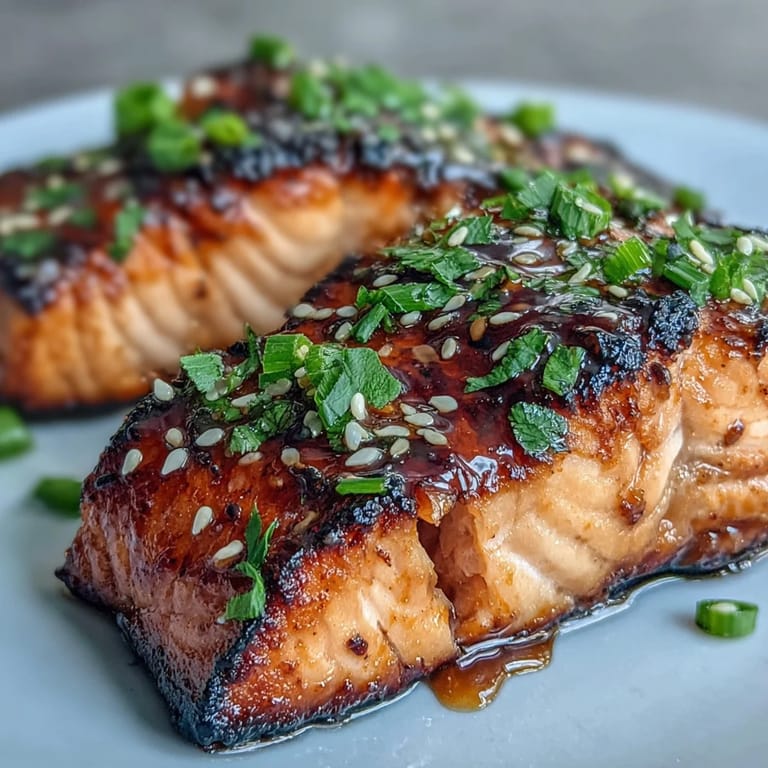
This is where small choices make the difference between a good dinner and one people remember. The lemon wedges aren't an afterthought; they're the punctuation mark that refreshes your palate with each bite. I've learned that the thirty seconds spent toasting sesame seeds or slicing scallions is time that pays dividends in both flavor and presentation.
- Toasted sesame seeds add a nutty crunch that contrasts beautifully with the soft salmon.
- Sliced scallions introduce a mild onion brightness that echoes the shallots without overpowering them.
- A squeeze of fresh lemon right before eating transforms each bite from satisfying to memorable.
 Pin it
 This dish has become my answer to "what should we make for dinner" when I want something that feels special without becoming a project. It's proof that simplicity, when done with intention, is its own kind of elegance.
Frequently Asked Questions
- → Can I prepare the miso glaze in advance?
Absolutely. The miso glaze can be made up to 3 days ahead and stored in an airtight container in the refrigerator. Give it a quick whisk before brushing onto the salmon, as the honey may settle slightly.
- → What type of miso paste works best?
White miso (shiro miso) is ideal for this glaze—it offers a milder, sweeter flavor that complements the salmon beautifully. Red miso will work in a pinch, but it has a stronger, more intense flavor that may overpower the delicate fish.
- → Can I use frozen spinach instead of fresh?
Fresh baby spinach works best here as it wilts quickly and maintains a pleasant texture. If using frozen spinach, thaw it completely and squeeze out excess moisture before adding it to the skillet. The cooking time may need slight adjustment to prevent it from becoming watery.
- → How do I know when the salmon is done?
The salmon is ready when it flakes easily with a fork and the internal temperature reaches 63°C (145°F). The glaze should appear lightly caramelized and bubbling. Be careful not to overcook—the fish will continue cooking slightly as it rests.
- → What sides pair well with this dish?
Steamed jasmine rice or fluffy quinoa makes excellent choices to soak up the extra miso glaze. You could also serve it alongside roasted vegetables like bok choy or snap peas for a complete meal. A crisp white wine such as Sauvignon Blanc or Pinot Grigio complements the flavors beautifully.