 Save
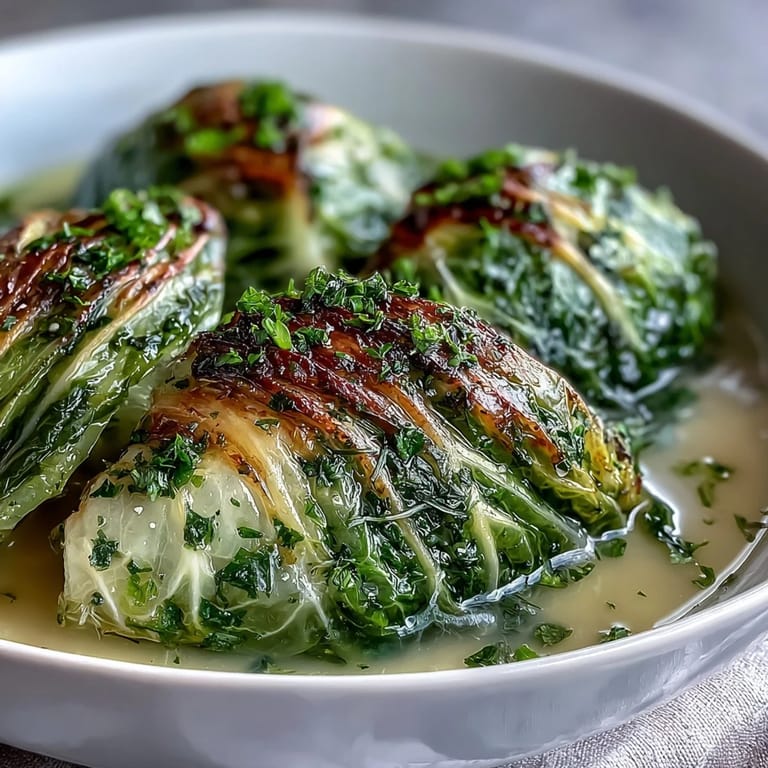
Save I used to think cabbage was just filler, something you shredded into coleslaw and forgot about. Then one cold evening, I had half a head sitting in the crisper and a hunk of Parmesan that needed using. I tossed them into a pot with some broth and herbs, and what came out was so unexpectedly tender and fragrant that I stood at the stove eating it straight from the ladle. It felt like the kind of meal that wraps around you, quiet and satisfying, without any fuss.
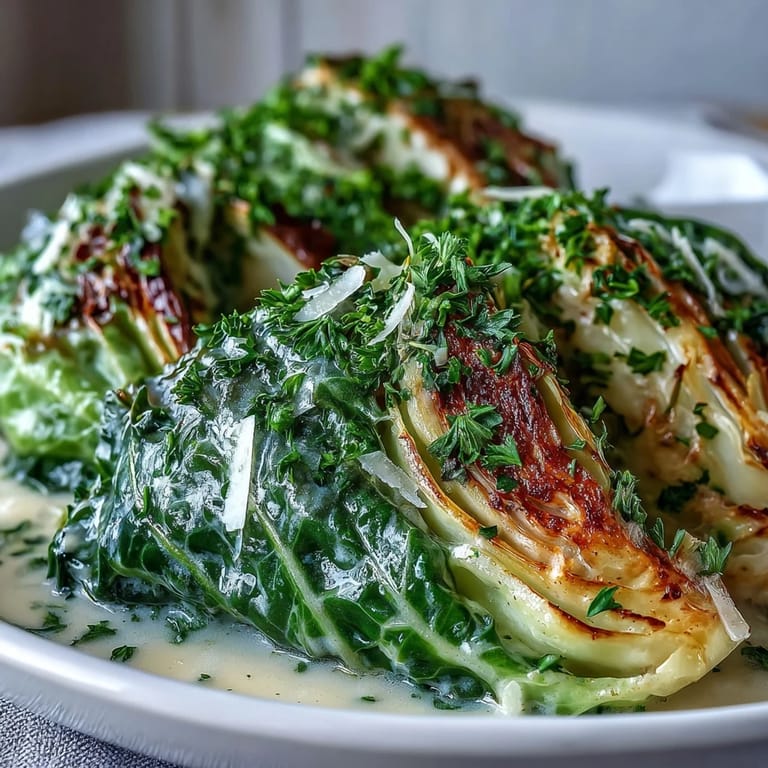
The first time I made this for friends, they were skeptical when I said dinner was cabbage wedges. But once they tasted the broth, savory and slightly creamy with melted Parmesan, they went quiet in that good way. One of them sopped up every last drop with bread, and I knew I had something worth keeping. Its become my go to when I want something warm and gentle without spending an hour in the kitchen.
Ingredients
- Green cabbage: Look for a firm head with tightly packed leaves, and cut it into wedges so they hold their shape while simmering and soak up the broth beautifully.
- Yellow onion: Adds a sweet, mellow base that softens into the background, letting the cabbage and herbs shine without competing.
- Garlic: Just enough to add warmth without overpowering, and it blooms in the butter to perfume the whole pot.
- Vegetable broth: The backbone of the dish, so use a good one with real flavor, and check the label if you need it gluten free.
- Parmesan cheese: Freshly grated melts into the broth and gives it that rich, savory depth that makes you want to drink it from a mug.
- Unsalted butter: Creates a silky base for the onions and garlic, and adds a touch of richness that balances the broth.
- Fresh thyme: Its earthy, slightly floral notes are perfect here, but dried works in a pinch if thats what you have.
- Fresh parsley and chives: Stirred in at the end, they bring brightness and color that wakes up the whole bowl.
- Bay leaf: Adds a subtle, aromatic layer that you dont really notice until its missing, so dont skip it.
- Black pepper and salt: Season thoughtfully, tasting as you go, because the Parmesan already brings salt to the party.
Tired of Takeout? 🥡
Get 10 meals you can make faster than delivery arrives. Seriously.
One email. No spam. Unsubscribe anytime.
Instructions
- Start with the aromatics:
- Melt the butter in a large, wide pot over medium heat, then add the sliced onion and let it soften for a few minutes until it smells sweet and turns translucent. Stir in the garlic and cook just until fragrant, about a minute, being careful not to let it brown.
- Arrange the cabbage:
- Nestle the cabbage wedges into the pot in a single layer if you can, then pour in the vegetable broth and tuck in the bay leaf, thyme, and black pepper. Bring everything to a gentle simmer, not a rolling boil, so the cabbage cooks evenly.
- Simmer until tender:
- Cover the pot and let it simmer for about 20 minutes, flipping the wedges halfway through so both sides get a chance to soak in the broth. The cabbage should be tender when you poke it with a fork, but still hold its wedge shape.
- Melt in the Parmesan:
- Remove the lid, fish out the bay leaf, and stir in the grated Parmesan, letting it melt into the broth for about 5 minutes. The broth will turn slightly creamy and cling to the cabbage in the most satisfying way.
- Finish with fresh herbs:
- Taste the broth and add salt if it needs it, then stir in the chopped parsley and chives. Ladle the cabbage into shallow bowls with plenty of broth, and top with extra herbs and Parmesan.
 Pin it
 One rainy afternoon, I made this for myself and ate it curled up on the couch with a thick slice of sourdough. The broth was warm and fragrant, the cabbage soft and comforting, and it felt like the kind of meal that takes care of you. Its funny how something so simple can feel like a hug in a bowl.
Choosing Your Cabbage
Green cabbage is the classic choice here, with a mild sweetness and sturdy leaves that hold up beautifully in the broth. Savoy cabbage works too if you want something a bit more delicate and frilly, though it may cook faster. Avoid red cabbage unless you want a purple broth, which is fun but not quite the same vibe.
Making It Richer
If you want to take this over the top, stir in a splash of heavy cream along with the Parmesan for an even silkier broth. A drizzle of good olive oil at the end adds a fruity richness that plays beautifully with the herbs. Some people add a handful of white beans to make it more of a meal, and I cant argue with that.
Serving and Storing
This is best served right away while the cabbage is tender and the broth is hot, but leftovers reheat surprisingly well on the stovetop. Just add a splash of broth or water to loosen it up, because the cabbage will soak up liquid as it sits. Pair it with crusty bread, a simple green salad, or even over soft polenta if youre feeling fancy.
- Store leftovers in an airtight container in the fridge for up to 3 days.
- Reheat gently on the stove, adding a bit more broth if needed to keep it saucy.
- Garnish with fresh herbs and Parmesan each time you serve it to bring back that just made brightness.
 Pin it
 This dish reminds me that the best meals dont always need a long ingredient list or complicated techniques, just good flavors and a little patience. I hope it becomes one of those recipes you reach for on the nights when you need something simple, warm, and deeply satisfying.
Frequently Asked Questions
- → Can I use red cabbage instead of green?
Yes, red cabbage works well and adds beautiful color. Keep in mind it may take slightly longer to become tender and will turn the broth purple.
- → How do I prevent the cabbage from falling apart?
Keep the cabbage wedges intact by leaving part of the core attached to each wedge. Simmer gently and turn carefully only once during cooking.
- → Can I make this ahead of time?
Yes, you can prepare this up to 2 days ahead. Store in the refrigerator and reheat gently on the stovetop, adding a splash of broth if needed.
- → What can I substitute for Parmesan cheese?
Pecorino Romano or Grana Padano work well as substitutes. For a dairy-free version, use nutritional yeast, though the flavor will be different.
- → Can I add other vegetables to this dish?
Absolutely! Carrots, celery, or leeks make excellent additions. Add them when you sauté the onions so they have time to soften.
- → What type of cabbage works best?
Green cabbage is ideal for its mild flavor and tender texture. Savoy cabbage also works beautifully and has a slightly more delicate texture.