 Save
Save My kitchen was a mess of half-empty cabinets when I stumbled on this combination. A wilted head of cabbage, two forgotten ramen packs, and a bottle of soy sauce that had been shoved to the back of the fridge. I was tired, hungry, and convinced I'd be ordering takeout until the cabbage started sizzling in the pan and filling the room with that sweet, caramelized smell. What started as desperation turned into something I now crave on purpose.
I made this for my roommate once after a long shift, and she stood at the stove eating straight from the pan before I could even plate it. She kept saying it reminded her of late-night street food from a trip she took years ago. Now whenever one of us has a rough day, this is what we make, standing shoulder to shoulder at the stove, fighting over who gets the crispiest bits of cabbage.
Ingredients
- Green cabbage: This is your star ingredient, and slicing it thin helps it cook fast while keeping that satisfying crunch. Don't worry if some pieces are uneven, the variety in texture makes every bite interesting.
- Carrot: Julienned carrots add sweetness and a pop of color, plus they soften just enough to balance the cabbage without turning mushy.
- Scallions: Separating the whites and greens is worth the extra second, the whites add aromatic depth when cooked, and the greens stay bright and fresh as garnish.
- Garlic and ginger: Fresh is non-negotiable here, they create that fragrant base that makes your kitchen smell like a real stir-fry.
- Instant ramen noodles: Toss those seasoning packets, you're building something better. The noodles themselves are perfect for soaking up the sauce and getting a little crispy in the pan.
- Soy sauce: The salty backbone of the dish, it brings everything together and adds that umami depth.
- Oyster sauce: This adds a hint of sweetness and richness, but mushroom sauce works beautifully if you're keeping it vegan.
- Toasted sesame oil: Just a tablespoon fills the whole dish with nutty warmth, don't skip it.
- Rice vinegar: A splash of acidity brightens everything and keeps the sauce from feeling too heavy.
- Sugar: A tiny bit balances the salt and helps the cabbage caramelize at the edges.
- Chili flakes: Optional, but they add a gentle warmth that lingers without overpowering.
- Vegetable oil: You need something neutral with a high smoke point for stir-frying over high heat.
Tired of Takeout? 🥡
Get 10 meals you can make faster than delivery arrives. Seriously.
One email. No spam. Unsubscribe anytime.
Instructions
- Boil the noodles:
- Get your water boiling and cook the ramen just until tender, then drain them well. You want them cooked but not soggy, because they'll spend more time in the hot pan later.
- Mix the sauce:
- Whisk everything together in a small bowl so it's ready to pour when you need it. Having the sauce prepared ahead keeps you from scrambling while the vegetables are sizzling.
- Start the aromatics:
- Heat your oil until it shimmers, then toss in the garlic, ginger, and scallion whites. Stir constantly for about a minute, just until the kitchen smells incredible and the garlic turns golden.
- Fry the vegetables:
- Add the cabbage and carrot, then leave them alone for a minute before stirring so they get a chance to char. Keep tossing every so often until the cabbage softens but still has bite, and you see brown, caramelized edges forming.
- Toss with noodles and sauce:
- Add the cooked noodles and pour the sauce over everything, then toss it all together quickly. Let it cook for a couple minutes so the noodles soak up the sauce and get a little crispy where they touch the pan.
- Finish and serve:
- Pull the pan off the heat, scatter the scallion greens on top, and serve it while it's still steaming. The contrast between the hot noodles and cool, fresh garnish is part of the magic.
 Pin it
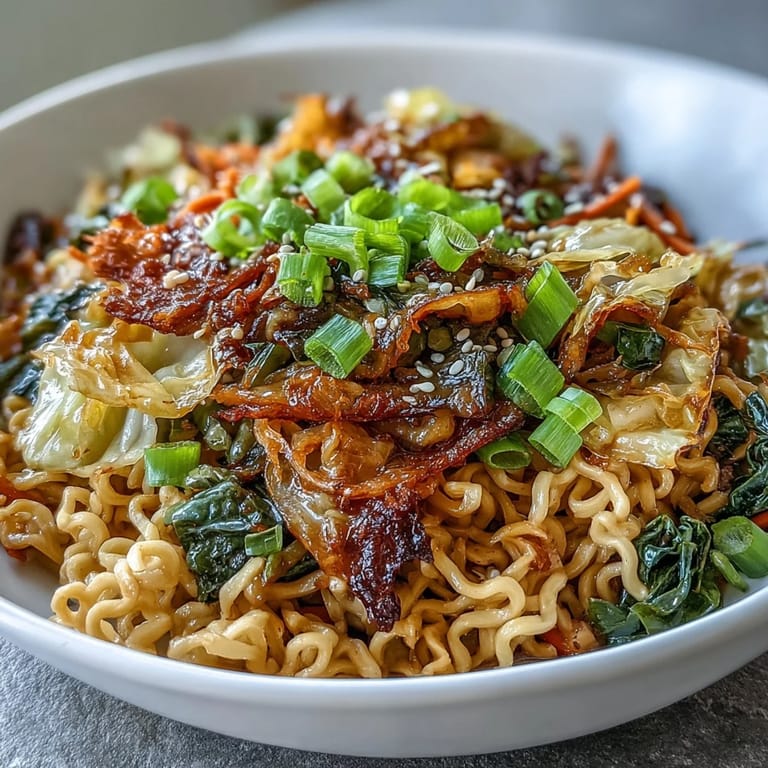
 The first time I served this to my neighbor, she asked for the recipe three times before she left. She kept saying she couldn't believe something so simple could taste this good. A week later, she brought me a version she made with bok choy and told me it had become her new comfort food. There's something about sharing a dish that started as a pantry experiment and watching it become someone else's favorite too.
Making It Your Own
This recipe loves company, so feel free to toss in whatever vegetables are hanging out in your fridge. I've added sliced mushrooms, bell peppers, snap peas, and even broccoli florets, and they all worked beautifully. If you want protein, a fried egg on top with a runny yolk turns this into a full meal, or you can stir in cubed tofu that's been crisped up separately. The base recipe is just a starting point, think of it as a template for using up odds and ends while still making something that feels intentional and delicious.
Getting the Texture Right
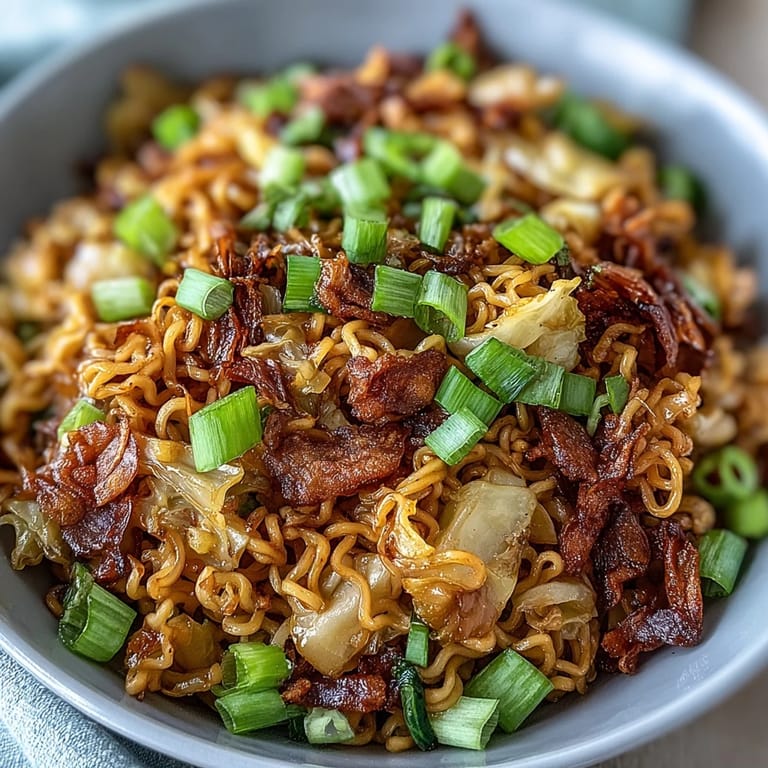
The secret to this dish is in the contrast between soft, chewy noodles and cabbage that's tender but still has snap. To get there, you need high heat and a hot pan before anything goes in. I learned this after making a soggy version once when I was impatient and started cooking before the oil was ready. Let the vegetables sit undisturbed for a bit before stirring, that's how you get the caramelized, slightly charred edges that make each bite interesting. If the pan starts to smoke, lower the heat just a touch, but don't go too low or everything will steam instead of fry.
Serving and Storing
This is best eaten right away while the noodles are glossy and the cabbage still has some crunch. If you do have leftovers, they'll keep in the fridge for a day, but the texture changes as the noodles absorb more sauce. I like to reheat leftovers in a hot skillet with a tiny splash of water to loosen things up, and sometimes I crack an egg into the pan to make it feel like a whole new meal.
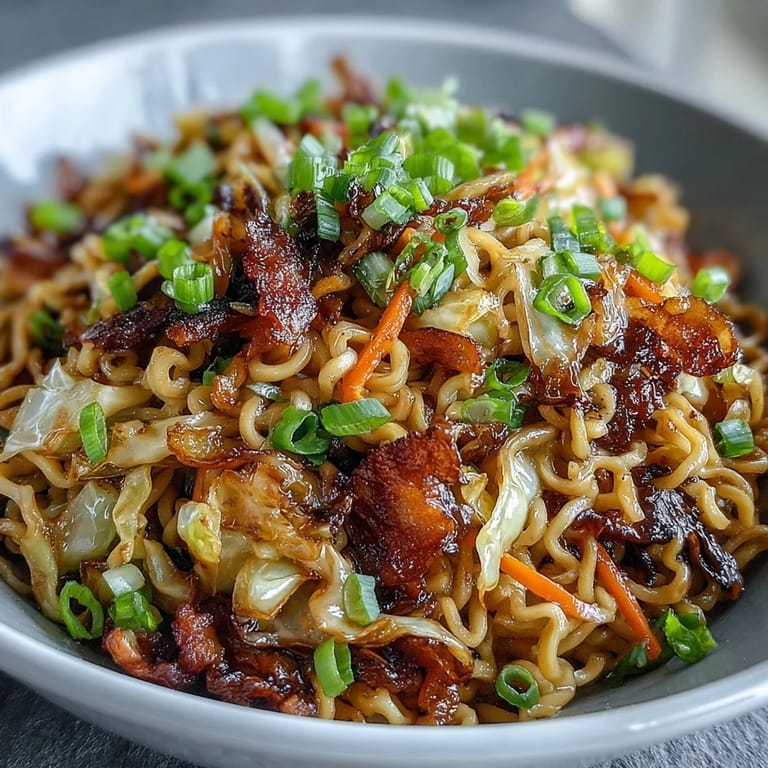
- Serve it in wide, shallow bowls so you can see all the caramelized bits and colorful vegetables.
- If you're meal prepping, store the noodles and vegetables separately and toss them together when you're ready to eat.
- A squeeze of lime or a drizzle of extra sesame oil right before serving adds a fresh finish that wakes everything up.
 Pin it
 Now every time I open my fridge and see a head of cabbage, I get a little excited instead of guilty. This dish taught me that the best meals don't always come from a full pantry, sometimes they come from being brave enough to experiment when you think you have nothing.
Frequently Asked Questions
- → Can I use other types of noodles instead of ramen?
Yes, you can substitute with udon, soba, rice noodles, or even spaghetti. Adjust cooking times according to the noodle type you choose.
- → How do I make this dish vegan?
Replace oyster sauce with mushroom sauce or hoisin sauce. Ensure your ramen noodles don't contain egg, and use tamari instead of soy sauce if needed.
- → Can I prepare the sauce in advance?
Absolutely. Whisk the sauce ingredients together and store in an airtight container in the refrigerator for up to 5 days. Shake well before using.
- → What other vegetables work well in this stir-fry?
Bell peppers, snap peas, mushrooms, broccoli, or bok choy all complement the dish beautifully. Add them when you stir-fry the cabbage and carrots.
- → How can I add more protein to this dish?
Top with a fried or soft-boiled egg, add crispy tofu, cooked chicken, shrimp, or edamame. Stir in protein during the final tossing stage.
- → Can I make this dish ahead of time?
While best served fresh, you can store leftovers in an airtight container for up to 2 days. Reheat in a skillet over medium heat, adding a splash of water if needed.