 Save
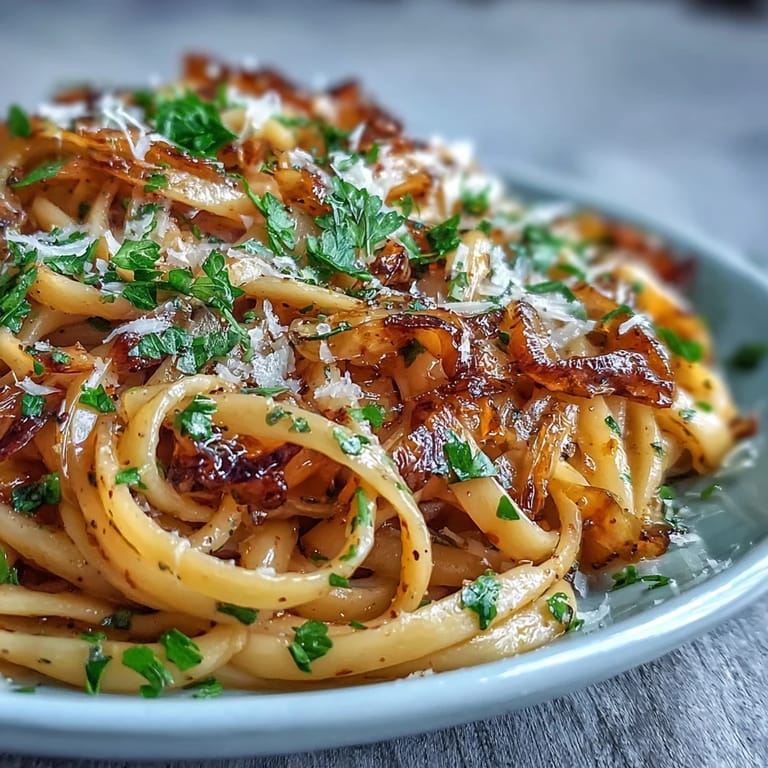
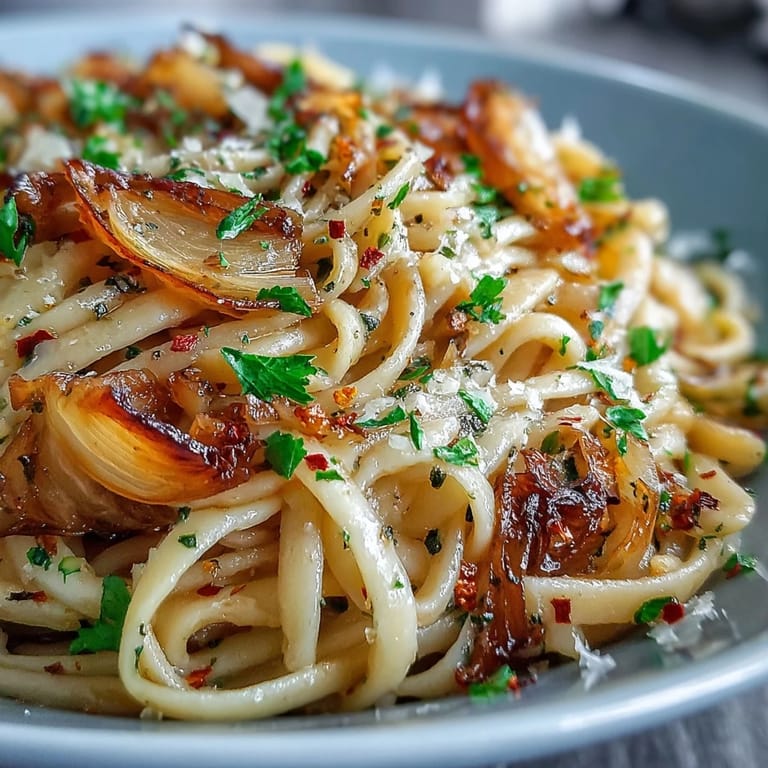
Save My neighbor Maria handed me a head of cabbage over the fence one October afternoon, insisting I had to try her grandmother's way of cooking it with pasta. I was skeptical—cabbage always seemed like something you boiled into submission or stuffed into soup. But that evening, as the cabbage caramelized in butter and olive oil, filling my kitchen with a sweet, nutty aroma, I understood why she'd been so insistent. It tasted like comfort itself, golden and tender, clinging to strands of pasta with just enough Parmesan to make you close your eyes.
I made this for my brother when he came to visit last spring, and he scraped his plate clean before asking if there was more. He's the kind of person who usually needs meat on his plate to feel satisfied, but he didn't mention it once. We sat at the table talking until the wine was gone and the candles had burned down to stubs. That's the magic of this dish—it doesn't just feed you, it keeps you at the table.
Ingredients
- Spaghetti or linguine: Long noodles work best here because they tangle beautifully with the ribbons of cabbage, creating little bites that hold everything together.
- Green cabbage: Choose a firm, heavy head with tightly packed leaves, and slice it as thin as you can manage so it cooks down evenly and caramelizes without burning.
- Olive oil and unsalted butter: The combination gives you the fruity richness of olive oil and the nutty sweetness of butter, which is essential for coaxing out the cabbage's natural sugars.
- Garlic cloves: Slice them thin so they soften and melt into the dish rather than sitting there in chunky, aggressive pieces.
- Crushed red pepper flakes: Optional, but a pinch adds a gentle warmth that wakes up the sweetness of the cabbage without making the dish spicy.
- Freshly grated Parmesan cheese: Grate it yourself from a block, the pre-shredded stuff doesn't melt the same way and won't give you that creamy, clinging texture.
- Fresh parsley and lemon zest: These are optional but brightening, adding a pop of color and a hint of freshness that cuts through the richness.
Tired of Takeout? 🥡
Get 10 meals you can make faster than delivery arrives. Seriously.
One email. No spam. Unsubscribe anytime.
Instructions
- Boil the pasta:
- Bring a large pot of generously salted water to a rolling boil and cook your pasta until it still has a little bite in the center. Before you drain it, scoop out a mugful of that starchy pasta water—it's liquid gold for bringing the sauce together later.
- Caramelize the cabbage:
- Heat the olive oil and butter in your largest skillet over medium heat, then add the cabbage with a good pinch of salt and let it cook, stirring every few minutes, until it turns golden brown and smells sweet and nutty. This takes patience, but it's where all the magic happens.
- Add the aromatics:
- Toss in the garlic and red pepper flakes, stirring constantly for a minute or two until the garlic softens and perfumes the air. Don't let it brown or it'll turn bitter.
- Combine pasta and cabbage:
- Add the drained pasta directly into the skillet with the cabbage, tossing everything together with tongs and splashing in some of that reserved pasta water to help everything cling. The starch in the water acts like glue, coating every strand.
- Finish with cheese:
- Stir in the Parmesan and black pepper, tasting as you go and adding more salt if it needs it. The cheese should melt into a light, silky coating rather than clumping up.
- Serve immediately:
- Pile the pasta into warm bowls and finish with a sprinkle of parsley, a few curls of lemon zest if you like, and extra Parmesan on the side. Serve it hot, while the butter is still glistening.
 Pin it
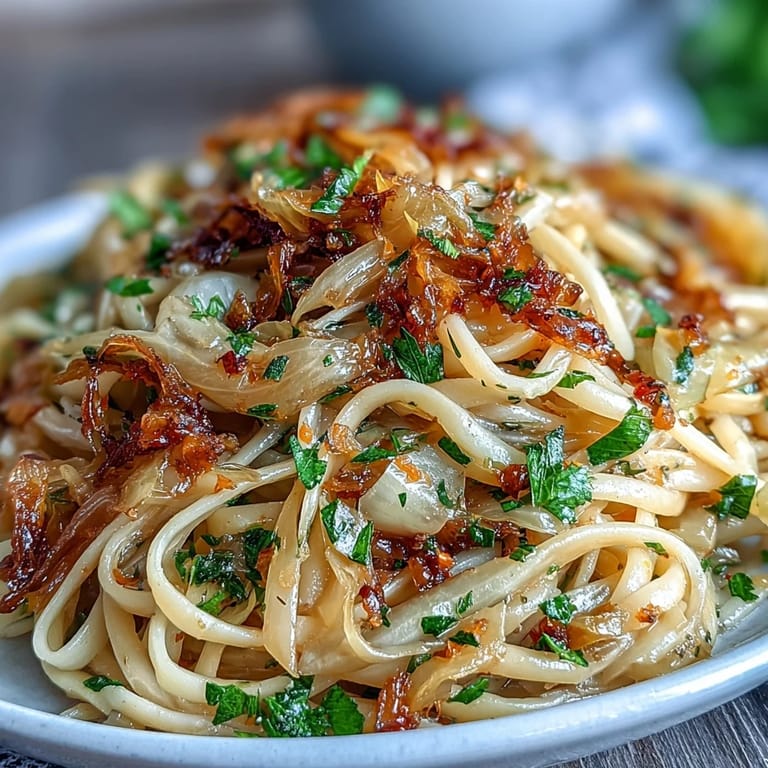
 There's a moment when you're stirring the pasta into the caramelized cabbage and everything starts to come together, the butter glistening, the Parmesan melting into soft clouds, the garlic filling the kitchen with warmth. That's when I always pause and think about how something so simple can feel like such a gift. It's the kind of meal that reminds you why you cook in the first place.
How to Get the Best Caramelization
The key is to resist the urge to stir too often. Let the cabbage sit undisturbed for a few minutes at a time so the sugars can caramelize against the heat of the pan, then give it a toss and let it sit again. You're looking for golden edges and a sweet, almost roasted aroma. If the pan gets too dry, add a tiny splash of water or a bit more butter to keep things moving without steaming the cabbage.
What to Serve Alongside
This pasta is hearty enough to stand alone, but I like to serve it with a simple green salad dressed in lemon and olive oil, or a few slices of crusty bread to mop up any buttery bits left in the bowl. A crisp white wine like Pinot Grigio or a light-bodied red like Barbera complements the sweetness of the cabbage beautifully. If you want to make it more of a feast, add a platter of roasted vegetables or a dish of marinated olives.
Storage and Reheating Tips
Leftovers keep well in the fridge for up to three days, though the pasta will absorb some of the moisture as it sits. When you reheat it, add a splash of water or broth to a skillet and warm it gently over medium-low heat, stirring until it loosens up again. You can also reheat individual portions in the microwave, covered, with a teaspoon of water to keep it from drying out.
- If you want to freeze it, portion it into airtight containers and freeze for up to a month, then thaw overnight in the fridge before reheating.
- Freshen up leftovers with a squeeze of lemon juice and a handful of fresh parsley right before serving.
- Day-old cabbage pasta makes an excellent filling for a baked pasta casserole topped with extra cheese and breadcrumbs.
 Pin it
 This is the kind of recipe that becomes part of your rotation without you even realizing it, showing up on busy weeknights and lazy Sundays alike. I hope it finds a place in your kitchen the way it has in mine.
Frequently Asked Questions
- → What type of pasta works best for this dish?
Spaghetti or linguine work wonderfully as their long strands mix well with the cabbage ribbons. You can also use fettuccine, pappardelle, or even short pasta like penne if preferred.
- → How do I know when the cabbage is properly caramelized?
The cabbage should be golden brown at the edges, significantly reduced in volume, and tender with a sweet flavor. This typically takes 12-15 minutes over medium heat with occasional stirring.
- → Can I make this ahead of time?
This dish is best served immediately while hot. However, you can caramelize the cabbage ahead and reheat it before tossing with freshly cooked pasta for the best texture.
- → What can I substitute for Parmesan cheese?
Pecorino Romano offers a sharper, saltier flavor profile. For a dairy-free version, nutritional yeast or vegan Parmesan alternatives provide umami depth.
- → How can I add more protein to this dish?
Crispy pancetta or bacon bits complement the cabbage beautifully. Grilled chicken, white beans, or chickpeas also work well while maintaining the dish's comforting nature.
- → Why should I reserve pasta water?
Pasta water contains starch that helps create a silky sauce and helps the Parmesan coat the pasta evenly. Add it gradually until you achieve your desired consistency.