 Save
Save There's something about a pot of black-eyed peas simmering on the stove that makes a kitchen feel like home, especially when the smell of bacon and jalapeños starts filling the air. I learned to make this Texas version during a particularly cold January when my neighbor stopped by with a bag of dried peas and a story about her grandmother's New Year's tradition. What started as a quick favor turned into one of those recipes I now make whenever I want to feed people something that feels both rustic and intentional. The beauty of this dish is how it transforms humble ingredients into something that tastes like it's been cooking all day, even though you're only at the stove for about two hours. It's the kind of meal that makes everyone linger at the table a little longer.
I made this for the first time at a sprawling family dinner where my cousin brought her new partner, and I remember feeling slightly nervous about whether this casual, no-fuss dish would feel special enough. By the time everyone was halfway through their bowls, the conversation had shifted entirely—people were asking for seconds, debating whether the jalapeños or the bacon was winning, and my cousin's partner was taking notes on her phone. That's when I realized that sometimes the most memorable meals aren't about technique or complexity, but about food that brings people together without pretense.
Ingredients
- Dried black-eyed peas (1 pound): These legumes are the soul of the dish—they absorb all the smoky, spicy flavors around them and become creamy without falling apart, which is exactly what you want after simmering.
- Thick-cut bacon (8 ounces): Don't skimp here or use thin strips; the rendered fat becomes your cooking base and carries so much of the dish's character that it deserves quality bacon.
- Yellow onion and jalapeños: The onion sweetens as it cooks in bacon fat, while the jalapeños add a bright heat that keeps the dish from feeling one-dimensional.
- Rotel diced tomatoes with green chilies (two 10-ounce cans): This ingredient is non-negotiable for authentic Texas flavor—it's what separates this from a generic pot of beans and gives it that distinctive, slightly spicy tomato-chile backbone.
- Garlic (4 cloves, minced): Added after the onions soften to prevent burning, the garlic blooms quickly and adds an aromatic punch without overpowering.
- Low-sodium chicken broth and water (6 cups and 2 cups): This ratio keeps the liquid from being too salty while allowing the peas to cook through completely and develop a silky texture.
- Chili powder, smoked paprika, cumin (2 teaspoons, 1 teaspoon, 1 teaspoon): These three work as a flavor trinity—the chili powder brings earthiness, the smoked paprika mimics slow-cooking, and the cumin adds warmth that ties everything together.
- Black pepper, salt, and bay leaves: These simple seasonings round out the spice profile and keep the dish tasting fresh rather than heavy.
Tired of Takeout? 🥡
Get 10 meals you can make faster than delivery arrives. Seriously.
One email. No spam. Unsubscribe anytime.
Instructions
- Render the bacon until it's gloriously crispy:
- Set your pot over medium heat and let the bacon cook slowly, listening for that gentle sizzle that tells you the fat is releasing properly. You'll know it's ready when the edges curl and darken, about 6 to 8 minutes—patience here pays off because you're building a flavorful fat base for everything else.
- Build your aromatic foundation:
- With the bacon removed, add your chopped onion and jalapeños to the still-warm fat and let them soften for about 4 to 5 minutes, stirring occasionally so they don't stick. This is when your kitchen starts smelling incredible, and you'll know it's working when the onions turn translucent and fragrant.
- Bloom your garlic:
- Stir in the minced garlic and cook for just one minute—this is a quick step because garlic burns easily, but that minute is crucial for unlocking its aromatic power. You'll smell the difference immediately.
- Combine everything and bring it to life:
- Add your rinsed peas back along with the bacon, Rotel tomatoes with their juices, broth, water, and all your spices and bay leaves. Stir everything together thoroughly so the spices distribute evenly, then raise the heat and let it come to a boil—you'll see the surface bubble and steam rise, signaling that everything's heating through.
- Simmer low and let time do the work:
- Once it reaches a boil, lower the heat to low, cover your pot, and let it bubble gently for a full hour. Stir occasionally (about every 15 to 20 minutes) so nothing sticks to the bottom and flavors stay integrated.
- Finish strong with a final uncovered simmer:
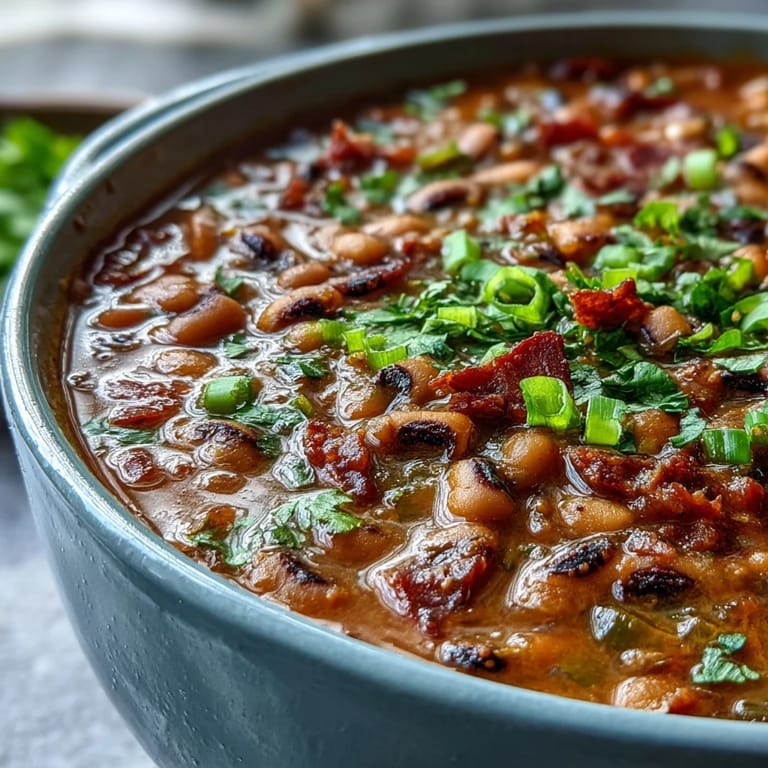
- After the hour is up, remove the lid and simmer for another 20 to 30 minutes without the cover—this is when the peas become creamy and the liquid thickens into a silky broth that clings to each bean. Watch for the moment when the texture shifts from soupy to luxuriously thick.
- Taste, adjust, and prepare to serve:
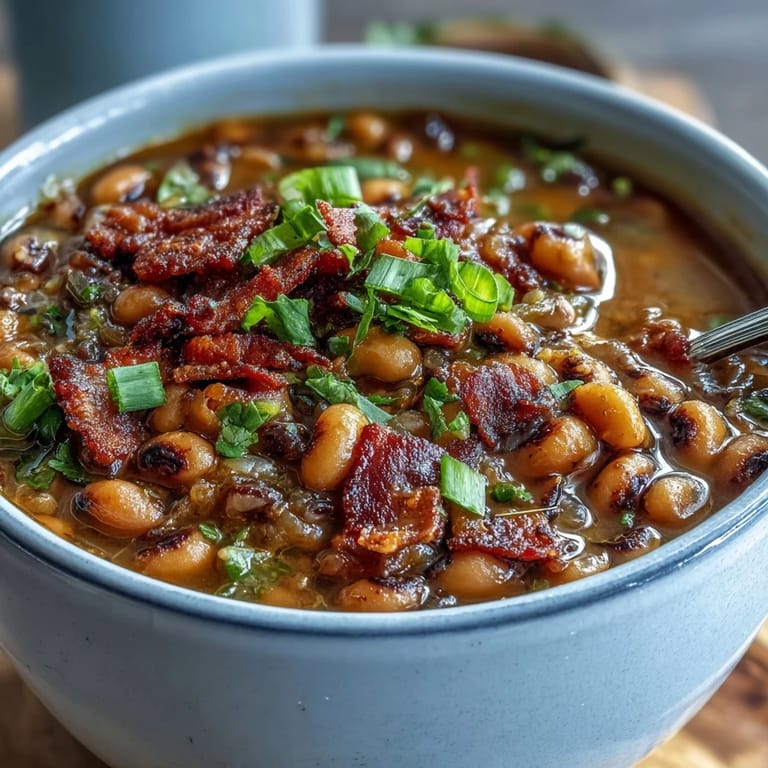
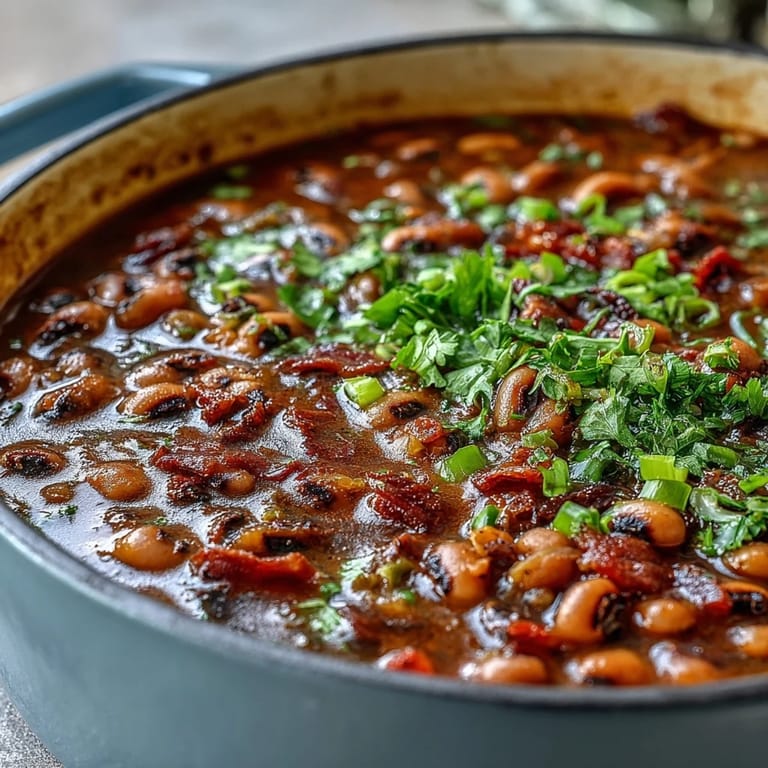
- Fish out the bay leaves with a spoon, then taste your creation and add more salt or heat if needed—this is your final moment to make it exactly right. Serve it hot in bowls with a scatter of fresh cilantro and green onions if you have them.
 Pin it
 I served this to my mom during a visit when she was recovering from being under the weather, and watching her eat a full bowl without complaint felt like a small victory. There's something deeply nourishing about feeding someone a meal that tastes homey and honest, and this pot of peas accomplished exactly that—no pretense, just genuine comfort.
The Magic of Rendered Bacon Fat
The reason this dish tastes so much better than a basic bean soup is that bacon fat carries flavor in ways that oil or butter alone simply can't match. When you cook your onions and jalapeños in that rendered pork fat, you're building a flavor foundation that no amount of spices added later can fully replicate. I learned this the hard way years ago when I tried making a vegetarian version by starting with olive oil, and while it was decent, it lacked that smoky, savory depth that makes this recipe feel authentically Texan.
Why Rotel Tomatoes Are Worth Seeking Out
The first time I made this recipe, I substituted canned diced tomatoes and chiles separately, thinking I could achieve the same result, and I was wrong. Rotel tomatoes come with a specific blend of spices and green chilies that create a unique flavor profile you simply can't replicate by mixing cans yourself. Once I used the actual Rotel, everything clicked into place—the dish tasted like something that belonged on a Texas table instead of just tasting like beans with tomatoes in them.
Making This Ahead and Reheating Like a Pro
One of the best things about this recipe is that it genuinely tastes better the next day—the peas absorb more of the broth's flavor and develop a deeper, more cohesive taste. Leftover black-eyed peas keep beautifully in the refrigerator for up to four days, and they reheat gently on the stovetop over low heat with a splash of water if they've thickened too much. If you're meal prepping or cooking for a crowd and want everything ready ahead of time, this is your recipe.
- Freeze extras in portions for up to three months: This pot scales beautifully for doubling, and frozen portions thaw and reheat like they were made fresh.
- Add a splash of water when reheating if the broth has thickened significantly: The peas continue to absorb liquid as they cool, so loosen things up before warming through.
- Taste for seasoning after reheating: Flavors sometimes mellow slightly, so a pinch more salt or a dash of hot sauce might be needed when you're eating it again.
 Pin it
 This is the kind of dish that works equally well at a casual family dinner or a more formal gathering—it's humble enough to feel welcoming but substantial enough to satisfy. Make it once and it'll likely become part of your regular rotation, especially when you want something warm, flavorful, and genuinely good without overthinking it.
Frequently Asked Questions
- → Do I need to soak black-eyed peas before cooking?
No soaking is required for this method. The peas simmer for 1-1.5 hours directly in the flavorful liquid, becoming tender and creamy as they cook.
- → Can I make this vegetarian?
Yes. Simply omit the bacon and use vegetable broth instead of chicken broth. Add extra smoked paprika or a few drops of liquid smoke to maintain that smoky depth.
- → How spicy are these black-eyed peas?
The dish has mild to medium heat from two jalapeños and Rotel tomatoes. For more spice, leave some seeds in the jalapeños or add cayenne pepper.
- → What should I serve with Texas black-eyed peas?
Traditional sides include cornbread or steamed rice. They also pair well with collard greens, fried okra, or Southern-style corn muffins.
- → How long do leftovers keep?
Store in an airtight container in the refrigerator for up to 4 days. The flavors actually improve over time, making this an excellent make-ahead dish.
- → Can I freeze this dish?
Yes, freeze in portion-sized containers for up to 3 months. Thaw overnight in the refrigerator and reheat gently, adding a splash of broth if needed.