 Save
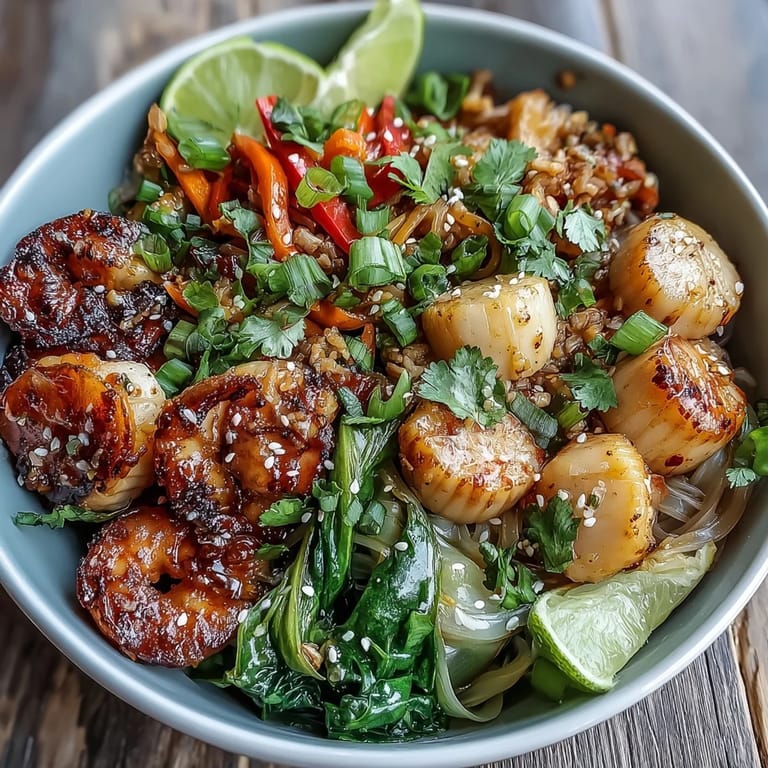
Save One Wednesday evening, my neighbor brought over a container of this exact noodle bowl after seeing me stress-cook three different dinners in one night. The steam rose from the bowl like it was releasing some kind of magic, and honestly, watching those tender shrimp curl perfectly in the broth while the scallops stayed buttery soft changed how I thought about weeknight cooking. It's become the dish I make when I want to feel like I'm treating myself without actually treating the kitchen like a battlefield.
I made this for my sister after she complained about feeling stuck in a cooking rut, and watching her face light up when she tasted that first spoonful of broth mixed with noodles felt like I'd actually accomplished something worth doing. She's made it four times since and keeps texting me photos of her variations, which is the highest compliment a recipe can get.
Ingredients
- Large shrimp: Look for ones that are firm to the touch and smell like ocean, not ammonia; they'll cook in about three minutes flat, so buy them as fresh as possible.
- Sea scallops: Patting them completely dry before cooking is the difference between a silky sear and a rubbery disaster, so don't skip this step.
- Rice noodles or soba noodles: Rice noodles give you a delicate texture that drinks up the broth beautifully, while soba adds a nutty note if you're feeling adventurous.
- Carrot and bell pepper: Julienning the carrot and slicing the pepper thin means they cook evenly and stay crisp-tender, which is exactly what you want.
- Snow peas and baby bok choy: These stay tender without turning mushy, and their mild sweetness balances the savory broth perfectly.
- Fresh ginger and garlic: Grate the ginger instead of mincing it so it releases more juice into the oil, and always use fresh garlic because the frozen stuff won't give you that same aromatic punch.
- Low-sodium broth: This is your base canvas, so choose one that tastes good on its own, not something you're trying to mask with salt.
- Soy sauce, fish sauce, and sesame oil: These three together create the umami backbone that makes people ask for the recipe; don't substitute the fish sauce or you'll lose that depth.
- Rice vinegar: It brightens everything without being as sharp as regular vinegar, which keeps the broth balanced instead of sour.
- Chili paste: Add it only if you like heat, and taste as you go because it builds quickly.
Tired of Takeout? 🥡
Get 10 meals you can make faster than delivery arrives. Seriously.
One email. No spam. Unsubscribe anytime.
Instructions
- Start your noodles first:
- Cook them according to package directions, then immediately drain and rinse with cold water so they don't keep cooking in their own steam. Set them aside in a bowl while you build the broth, which keeps them from clumping together.
- Build an aromatic base:
- Heat sesame oil in a large pot over medium heat, then add ginger and garlic, listening for that sizzle that tells you the aromatics are waking up. One minute is exactly right, or you'll burn the garlic and lose that fresh quality.
- Create your broth foundation:
- Pour in the broth, soy sauce, fish sauce, and rice vinegar all at once, then bring the whole thing to a gentle simmer rather than a rolling boil. A gentle simmer means you're coaxing flavors together, not boiling them away.
- Add vegetables in order:
- Start with the carrots, bell pepper, snow peas, and bok choy because they need about three to four minutes to reach that perfect tender-crisp moment. You'll notice the broth become more fragrant as the vegetables release their own flavors.
- Cook seafood with care:
- Add shrimp and scallops gently to the simmering broth and watch them like a hawk, as two to three minutes is usually all they need to turn opaque and just cooked through. The moment they're done, they're done, because even thirty seconds too long makes them turn rubbery and tough.
- Taste and adjust:
- Before serving, take a small spoonful of broth and let it cool enough to actually taste, then decide if you want heat from chili paste or more depth from anywhere else. This is your moment to make it taste exactly the way you want it.
- Assemble in bowls:
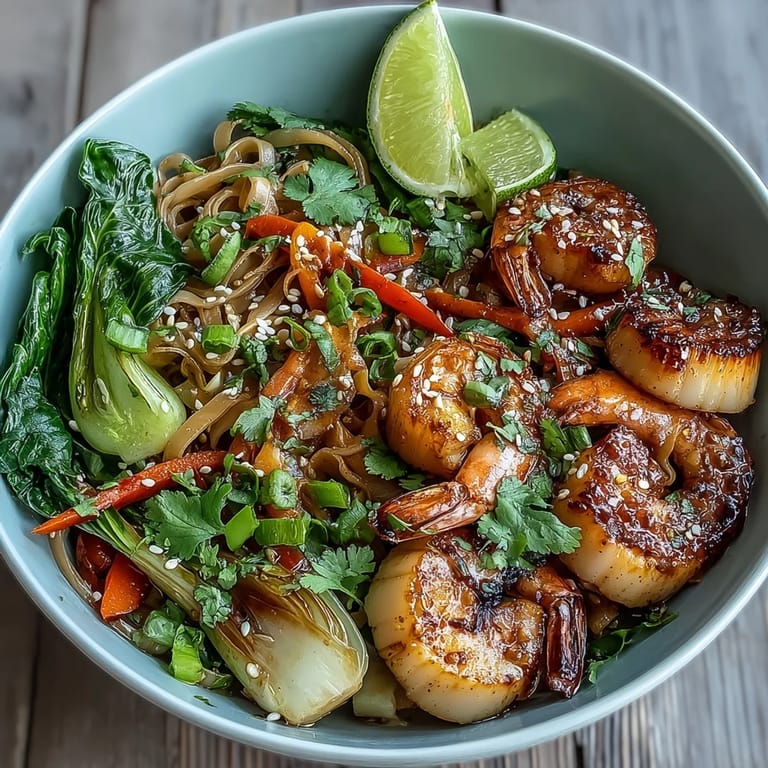
- Divide the noodles among four bowls, then ladle the broth, seafood, and vegetables over the top so everyone gets equal amounts of everything.
- Finish with brightness:
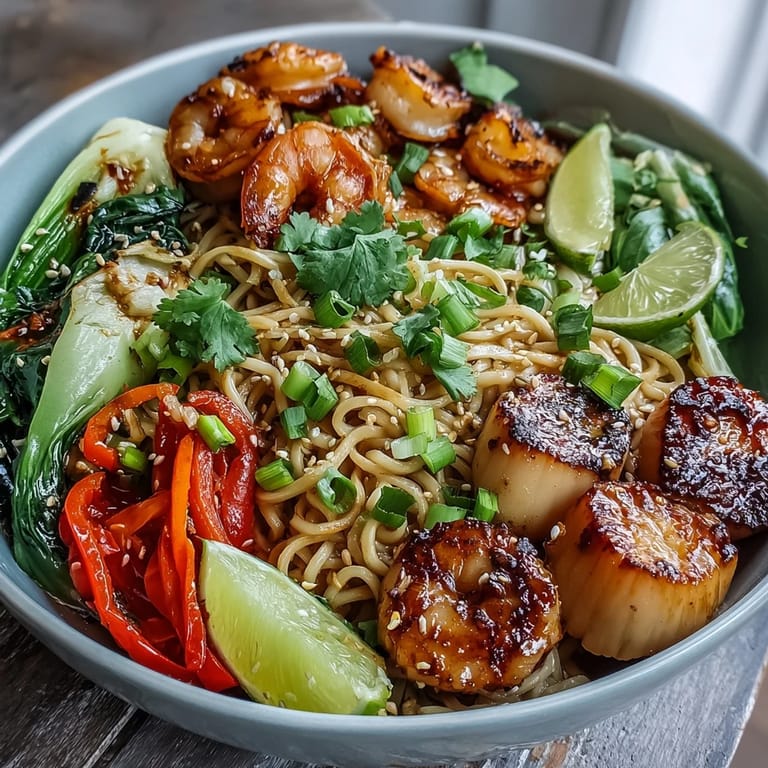
- Top each bowl with spring onions, cilantro, sesame seeds, and a lime wedge, and let people squeeze the lime themselves so it's as bright or muted as they prefer.
 Pin it
 There's something about a bowl of noodles in hot broth that makes people slow down and actually sit at the table, and I've noticed conversations happen differently around this dish. It's warm and nourishing in a way that feels less like eating and more like taking care of yourself and whoever's sitting across from you.
The Magic of the Broth
The real star here isn't the seafood or noodles, it's that broth that tastes like it's been simmering for hours even though it takes maybe ten minutes to come together. The combination of fish sauce and soy sauce creates this incredible depth that makes you wonder if you're missing a secret ingredient, but honestly, the only secret is respecting each component and not skipping steps.
Seafood Shopping and Prep
Buy your shrimp and scallops from a place where you can smell them and they actually smell good, not fishy in a bad way, because quality seafood makes this dish sing in a way frozen or low-quality versions just can't match. Ask your fishmonger to devein the shrimp if you're squeamish, and bring a cooler if you're not cooking within an hour of purchase.
Building Flavor Layers
Each element in this bowl has a job, and when you understand what each ingredient is doing, you can adapt it confidently without losing what makes it work. The ginger adds warmth, the garlic adds depth, the fish sauce adds umami, the soy sauce adds salt and complexity, and the rice vinegar ties everything together by brightening it all up. Once you see this pattern, you'll start using this same broth formula for other dishes and suddenly your cooking gets deeper.
- Taste as you build so you catch imbalances early instead of trying to fix them at the end.
- Keep fish sauce nearby because the moment you understand what it does, you'll use it in everything savory.
- Remember that lime wedges at the end should be squeezed fresh into the bowl, never added early or the acidity fades.
 Pin it
 This bowl is proof that good food doesn't require hours of work or a complicated ingredient list, just attention and the willingness to taste as you go. Make it once and you'll make it again, probably with your own small changes that make it feel like yours.
Frequently Asked Questions
- → What type of noodles work best?
Rice noodles or soba noodles work beautifully. Udon or egg noodles make excellent alternatives depending on your preference.
- → Can I make this vegetarian?
Yes, simply omit the seafood and substitute with firm tofu. Use vegetable broth instead of chicken broth for a fully vegetarian version.
- → How do I prevent overcooking the seafood?
Add shrimp and scallops last and simmer gently for just 2-3 minutes until opaque. Remove from heat immediately once cooked through to maintain tenderness.
- → Can I adjust the spice level?
Absolutely. The chili paste is optional, so start without it and add gradually to taste. You can also add sliced fresh chilies for extra heat.
- → What other vegetables can I add?
Mushrooms, baby corn, snap peas, or bean sprouts make wonderful additions. Adjust cooking times accordingly so all vegetables remain tender-crisp.
- → How should I store leftovers?
Store noodles separately from the broth and seafood to prevent sogginess. Reheat broth and seafood gently, then combine with fresh noodles for best results.