 Save
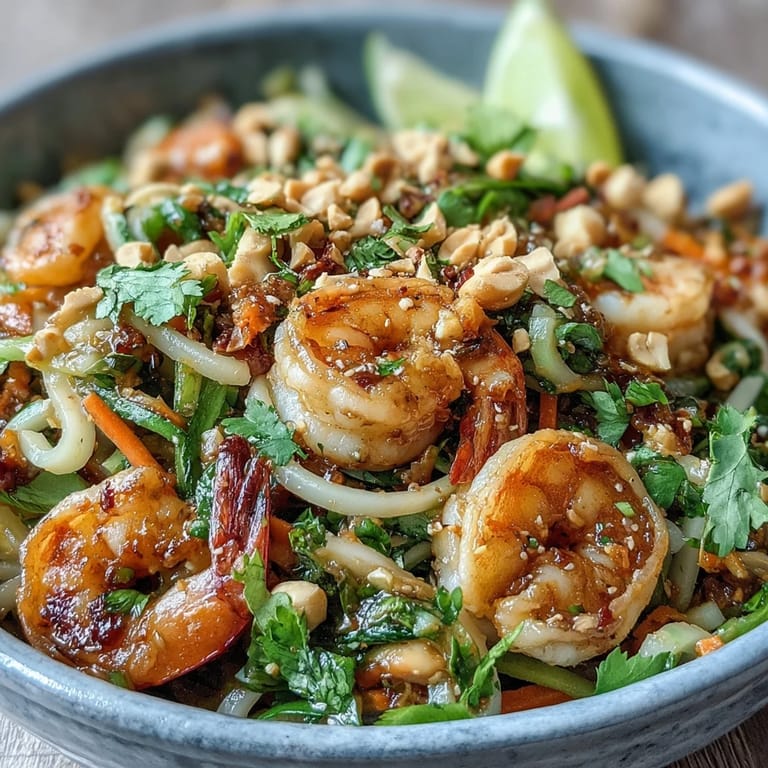
Save My friend texted me a photo of a noodle bowl from her favorite spot downtown, and I spent the next twenty minutes staring at it wondering if I could recreate that balance of fresh, savory, and just-spicy-enough at home. Turns out, I could, and better yet, I could make it in less time than it takes to order delivery. This became my go-to when I wanted something that felt restaurant-quality but didn't require leaving my kitchen or spending half my paycheck.
I made this for my sister when she visited last spring, and she ate three bowls while sitting on my kitchen counter, swinging her legs and telling me about her new job. Watching someone genuinely enjoy something you made, especially someone who actually pays attention to flavors, changed how I thought about cooking for others.
Ingredients
- Medium shrimp, 400 g (14 oz): Peeled and deveined shrimp cook in minutes and absorb the sauce beautifully, but thawing them gently under cool water instead of rushing them prevents that rubbery texture.
- Rice noodles, 200 g (7 oz): These have a delicate chew that rice or wheat noodles can't quite match, and rinsing them cold after cooking stops the cooking process and keeps them from clumping.
- Zucchini, 1 medium: Julienned thin so it softens just enough to be tender without turning into mush, it adds body without overwhelming the lighter ingredients.
- Carrot, 1 large: The natural sweetness bridges the gap between the savory sauce and salty peanuts, and julienning it yourself means you control the thickness.
- Garlic, 2 cloves: Mincing it fine and cooking it first infuses the entire dish with warmth before you add the protein.
- Green onions, 3: Sliced just before serving preserves their bright bite and adds a sharp note against the richness of sesame oil.
- Soy sauce, 3 tbsp: Use tamari if you need gluten-free, and taste your sauce as you build it because soy saltiness varies between brands.
- Lime juice, 2 tbsp: Fresh lime is non-negotiable here; bottled tastes flat and misses the point entirely.
- Sesame oil, 1 tbsp: A little goes a long way, so resist the urge to pour more than the recipe calls for or the whole bowl becomes greasy.
- Honey or maple syrup, 1 tbsp: This small amount rounds out the acidity and salt without making the sauce sweet, but add it gradually and taste.
- Chili garlic sauce, 1 tsp (optional): Heat is personal, so start with half a teaspoon if you're unsure and adjust from there.
- Roasted peanuts, 50 g (1/3 cup): Roughly chop them so some pieces are bigger and crunchier, and if you buy raw peanuts, toast them yourself at 350°F for about eight minutes.
- Fresh cilantro, 1/3 cup: Tear or roughly chop it by hand instead of mincing to keep the leaves from bruising and turning dark.
- Lime wedges, for serving: One extra squeeze at the table brightens everything and gives people control over their own flavors.
Tired of Takeout? 🥡
Get 10 meals you can make faster than delivery arrives. Seriously.
One email. No spam. Unsubscribe anytime.
Instructions
- Start the noodles first:
- Follow the package timing (usually around four minutes for rice noodles), then drain and rinse under cold water until they're completely cooled. This stops them from sticking together and keeps them from getting mushy when you toss them with the hot sauce later.
- Build your sauce while noodles cook:
- Whisk soy sauce, lime juice, sesame oil, honey, and chili garlic sauce in a small bowl and set it somewhere you won't forget about it. The flavors blend better when they sit for a few minutes, so this small step forward means less rushing at the end.
- Heat your pan and cook the aromatics:
- A large skillet or wok over medium-high heat is ideal, and once it's hot enough that a drop of water dances across the surface, add a splash of oil and the minced garlic. You'll know it's ready when the whole kitchen smells amazing, which takes about thirty seconds.
- Cook the shrimp quickly:
- Add the shrimp and let them sit undisturbed for a minute or so before flipping, which gives them a light sear and helps them cook evenly. They'll go from gray to pink in two to three minutes total, and the moment they're cooked through is the moment to move them to a plate.
- Soften the vegetables:
- Using the same pan (all those shrimp bits are flavor), toss in the zucchini and carrot and stir-fry for two to three minutes until they're just tender and still have a little bite. Don't walk away from the stove here because they cook faster than you'd expect.
- Bring it all together:
- Add the cooked noodles, green onions, and your prepared sauce to the pan and toss everything gently but thoroughly until every strand of noodle is coated. This is where it all becomes one cohesive dish instead of separate components.
- Reunite the shrimp and finish:
- Return the shrimp to the pan and gently mix everything so the heat warms them through and they're distributed evenly throughout the bowl. This gentle touch keeps them from breaking apart.
- Plate and garnish:
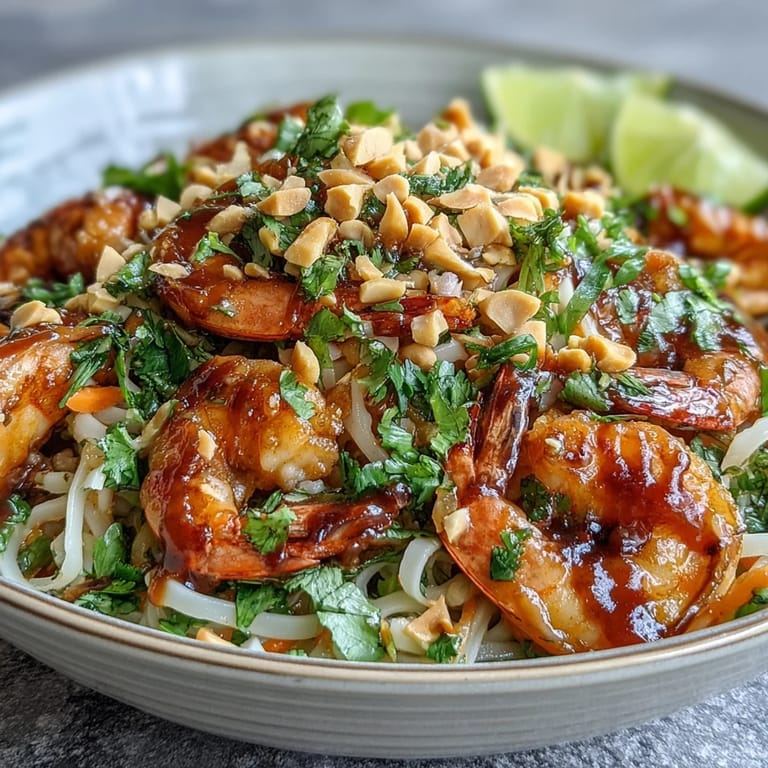
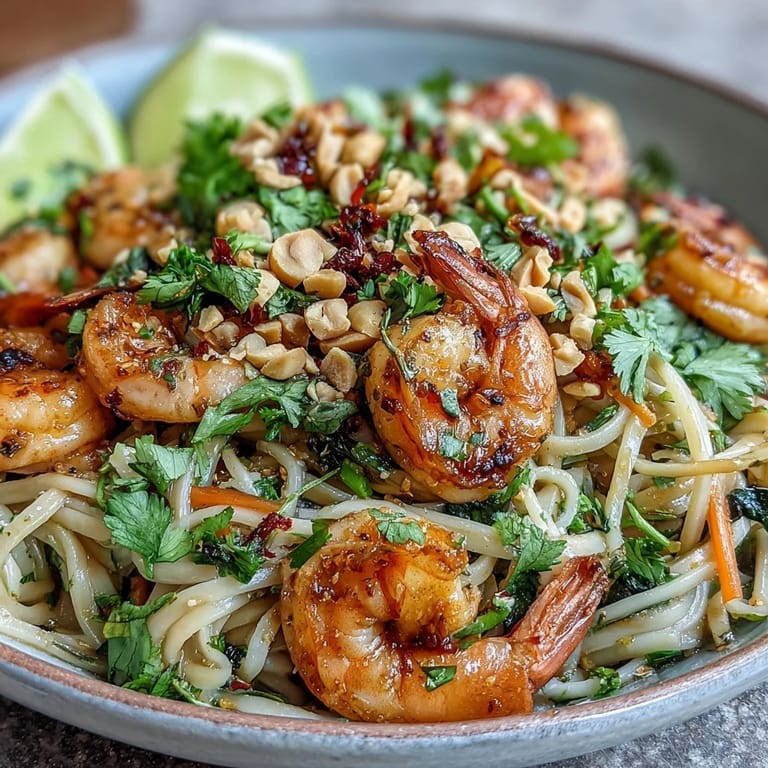
- Divide among four bowls and top each with peanuts, fresh cilantro, and lime wedges so everyone can adjust the brightness to their liking. Serve immediately while everything still has its texture and warmth.
 Pin it
 My neighbor asked what smelled so good one evening, and I found myself inviting her in for a bowl. We ended up talking for two hours while eating, and I realized that cooking doesn't always have to be about impressing people or following rules perfectly, sometimes it's just about feeding someone and giving them a reason to sit down.
Why Rice Noodles Matter Here
The first time I made this with regular pasta because I ran out of rice noodles, the whole dish lost something essential. Rice noodles have a delicate, almost tender quality that absorbs sauce without becoming heavy, and they cook so quickly that everything stays bright and fresh instead of turning into a warm, soft mass. Once I went back to the right ingredient, I understood why this dish works so well and why shortcuts on this one specific thing actually matter.
Making It Your Own
The beauty of this recipe is that it's a framework rather than a strict instruction. I've made it with chicken thighs when I didn't have shrimp, with tofu when my friend was visiting and wanted to eat plant-based, and once with snap peas and mushrooms instead of zucchini and carrot because that's what looked good at the market that week. The proportions and technique stay the same, but the specifics bend to what you have and what you love.
Sauce Secrets and Shortcuts
The sauce is what elevates this from just-okay noodles to something you'll crave, and the balance of salty, sour, sweet, and nutty is what makes that magic happen. I used to measure everything perfectly and taste at the end, but now I taste as I go because every bottle of soy sauce and every lime is slightly different, and your palate matters more than any recipe.
- If your sauce tastes too salty, add a bit more lime juice or honey to balance it rather than adding more noodles.
- Make extra sauce and keep it in the fridge for up to a week, perfect for drizzling over leftover rice or steamed vegetables.
- The chili garlic sauce is optional but becomes essential if you love a gentle heat that builds rather than shocks your mouth.
 Pin it
 This bowl has become my answer to the question of what to cook when I want something that tastes thoughtful but doesn't demand hours in the kitchen. It's proof that simple ingredients, when they're fresh and treated with just a little care, can make something truly special.
Frequently Asked Questions
- → Can I make this bowl ahead of time?
You can prepare the sauce and vegetables in advance, but it's best to cook the noodles and shrimp just before serving. Store prepped ingredients separately in the refrigerator for up to 24 hours.
- → What type of noodles work best?
Rice noodles are traditional and provide the right texture, but you can also use soba noodles, udon, or even spaghetti for a different twist. Just adjust cooking time accordingly.
- → How can I make this dish spicier?
Add more chili garlic sauce to the dressing, or include fresh sliced chili peppers when stir-frying the vegetables. Sriracha also works well as an additional spicy element.
- → Is this suitable for meal prep?
Yes, portion into individual containers and store for up to 3 days. Keep the toppings separate and add just before eating to maintain the crunch from peanuts and fresh cilantro.
- → Can I use frozen shrimp?
Absolutely, just thaw them completely and pat dry before cooking. Frozen shrimp work perfectly fine in this dish and are often more economical than fresh.
- → What's the best way to julienne vegetables?
Use a mandoline slicer for uniform thin strips, or cut by hand into matchstick-sized pieces. Keep vegetables crisp by not overcooking them during the stir-fry stage.