 Save
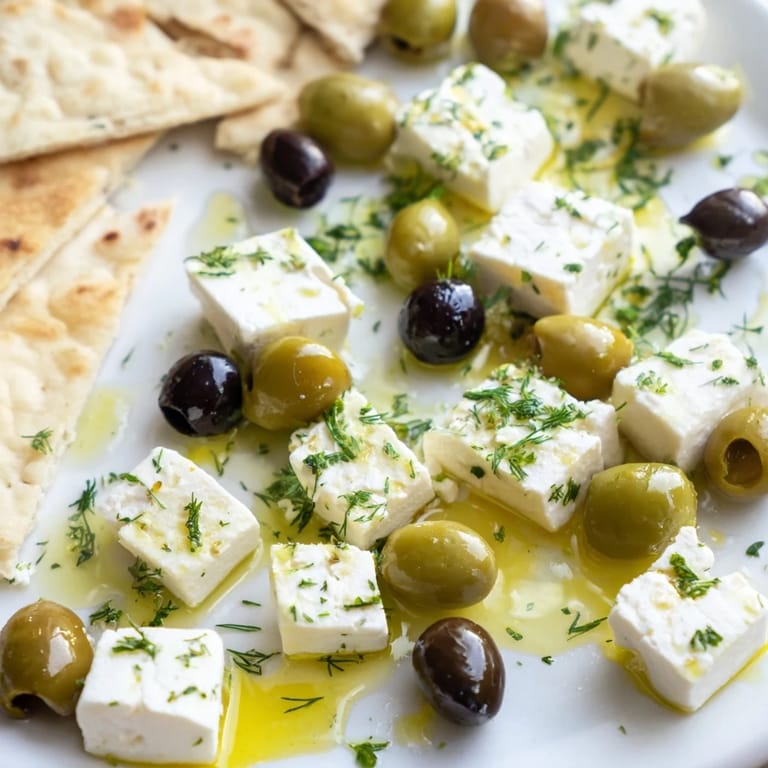
Save There's something about a Turkish cheese board that stops conversation mid-sentence. I discovered this years ago when a friend's grandmother set one down at her kitchen table in Istanbul, and I realized I'd been missing an entire category of eating experience. The simplicity was disarming—just cheese, olives, honey drizzled bold and golden, warm bread to anchor it all. She never fussed, never apologized for the minimal ingredients. She just knew what worked together.
I made this board last spring for a small gathering, and my neighbor kept coming back to the same piece of feta drizzled with honey, each time acting surprised it was still there. Watching people navigate it—the ones who went straight for olives, the ones who made little feta-and-honey bites on pita—told me everything about how they eat. It became less about feeding people and more about watching them discover what they actually wanted.
Ingredients
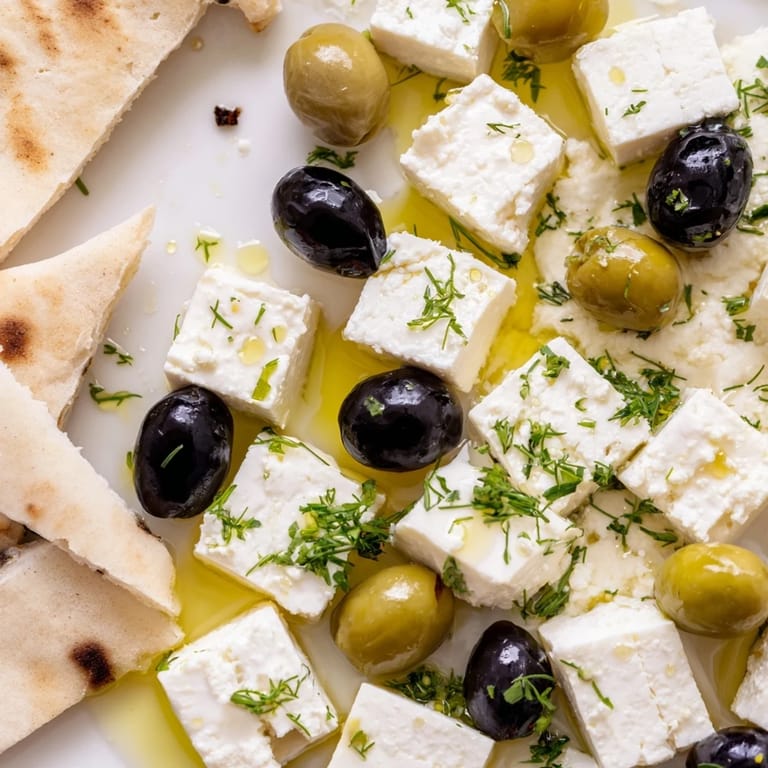
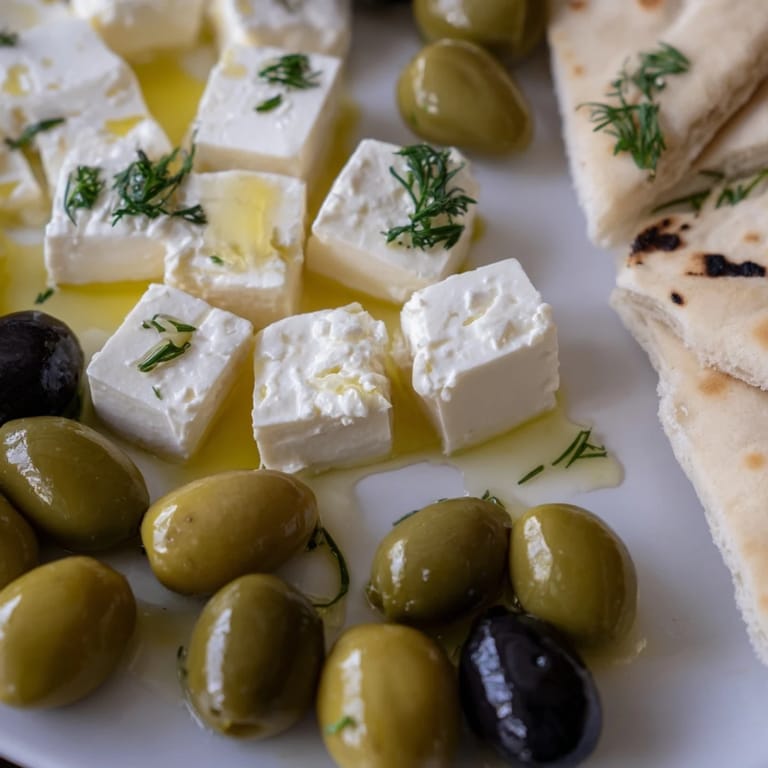
- Feta cheese, 100 g, cut into cubes: Feta's saltiness anchors the whole board, and cutting it into cubes instead of crumbles lets people control their portions and pick up pieces without the board turning into crumbs.
- Beyaz peynir, 100 g, sliced: This creamy white cheese is milder than feta and acts as the gentle counterpoint—if you can't find it, any mild white cheese works, but beyaz peynir's texture is worth seeking out.
- Brined green olives, 100 g: The brine keeps them alive with salt and tang; buy them loose from a good market if you can, as they taste fresher than jarred.
- Brined black olives, 100 g: Deeper and earthier than green, they add visual contrast and a different note when you taste them back-to-back.
- Honey, 4 tbsp: This is your secret weapon—the sweetness melts into the salty cheese and creates a moment of surprise on the tongue.
- Warm pita bread, 2–3 pieces, cut into wedges: Warmth matters here; cold pita is just a vehicle, but warm pita becomes part of the experience, holding cheese and olive together.
- Fresh dill or parsley, 1 tbsp, chopped (optional): A whisper of green and herbaceous bite, scattered just before serving so it doesn't wilt into invisibility.
- Extra virgin olive oil, 1 tbsp (optional): A good oil makes itself known; drizzle it where you want people to notice.
- Crushed red pepper flakes, a pinch (optional): For the ones who want heat to cut through the richness.
Tired of Takeout? 🥡
Get 10 meals you can make faster than delivery arrives. Seriously.
One email. No spam. Unsubscribe anytime.
Instructions
- Set the stage with cheese:
- Arrange feta cubes and beyaz peynir slices across your board with intention—not too crowded, with negative space that invites people to see what's coming next. Think of it like setting a table where everyone has room to move.
- Nestle in the olives:
- If you have small bowls, let them sit slightly off the board so the brine doesn't pool on the cheese; if you're scattering them directly, cluster them in twos and threes so people spot them as they explore.
- Add the honey moment:
- Pour honey into a small bowl if you want people to be deliberate about it, or drizzle it directly onto some of the cheese for a more casual, golden finish. Either way, the honey is the punctuation mark.
- Warm and cut the bread:
- Heat pita in a skillet for just 30 seconds per side—you want it warm enough to release its smell, not crispy. Cut into wedges that are easy to grab with one hand.
- Finish with color and texture:
- Scatter herbs, olive oil, and red pepper flakes across the board just before people arrive, so everything looks fresh and intentional. This is the moment the board becomes inviting.
- Serve with generosity:
- Put it down and step back—let people mix and match without instruction. The best part is when someone discovers their own combination.
 Pin it
 There was a quiet moment at that gathering when someone made a piece—feta, olive, honey, warm pita—and closed their eyes while chewing. That's when I knew this board was about more than hunger. It was about slowing down enough to notice flavors colliding.
Cheese Choices That Matter
The magic here is contrast. Feta brings salt and tang, while beyaz peynir offers creaminess—together they're a conversation. If you can't find beyaz peynir, mild mozzarella or a creamy goat cheese will work, but beyaz peynir's particular texture, somewhere between soft and crumbly, is hard to replicate. Hunt for it at Mediterranean markets or specialty cheese shops; it's worth the extra trip.
The Honey Effect
Honey against salty cheese is counterintuitive until you taste it, and then it becomes obvious. The sweetness doesn't overpower; it softens the salt and makes each ingredient taste more like itself. Some people worry about the combination, so showing them that first piece—cheese, honey, bread—often converts them immediately.
Building Your Own Board
Once you master the base, this becomes a template for experimentation. Sliced tomatoes bring brightness, walnuts add crunch, fresh figs bridge sweet and savory beautifully. The framework stays the same; the details reflect what's in season or what you're craving.
- Add sliced cucumber for freshness and crunch that contrasts with creamy cheese.
- Scatter toasted walnuts or almonds for texture and a slightly bitter note.
- Try fresh figs or apricots in late summer when they're at their peak.
 Pin it
 This board is an invitation to eat slowly and notice what you're tasting. Once you've made it, you'll find yourself reaching for it again and again, tweaking it slightly each time, which is exactly how it should be.
Frequently Asked Questions
- → What cheeses are used on the board?
Feta cheese and beyaz peynir, a creamy Turkish white cheese, provide rich and tangy flavors.
- → Can I substitute the beyaz peynir?
Yes, mild Greek feta or mozzarella can be used if beyaz peynir is unavailable.
- → How should the pita bread be prepared?
Warm the pita briefly in a skillet or oven, then cut into wedges for serving.
- → What flavors complement the olives and cheese?
Sweet honey, fresh herbs like dill or parsley, olive oil, and a pinch of red pepper flakes add complexity.
- → Can I add other ingredients to the platter?
Yes, sliced cucumbers, tomatoes, or walnuts make great additions for more variety.