 Save
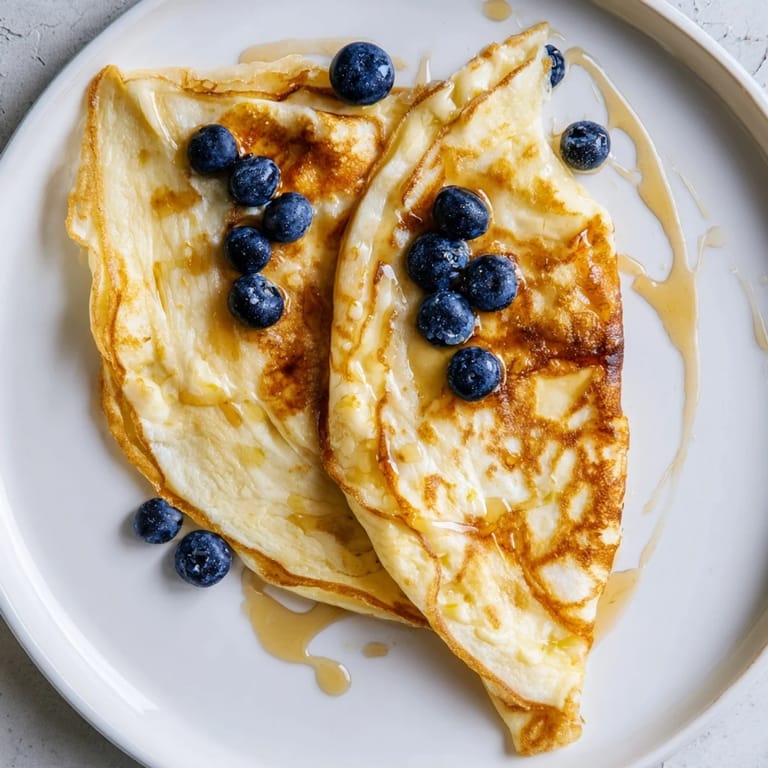
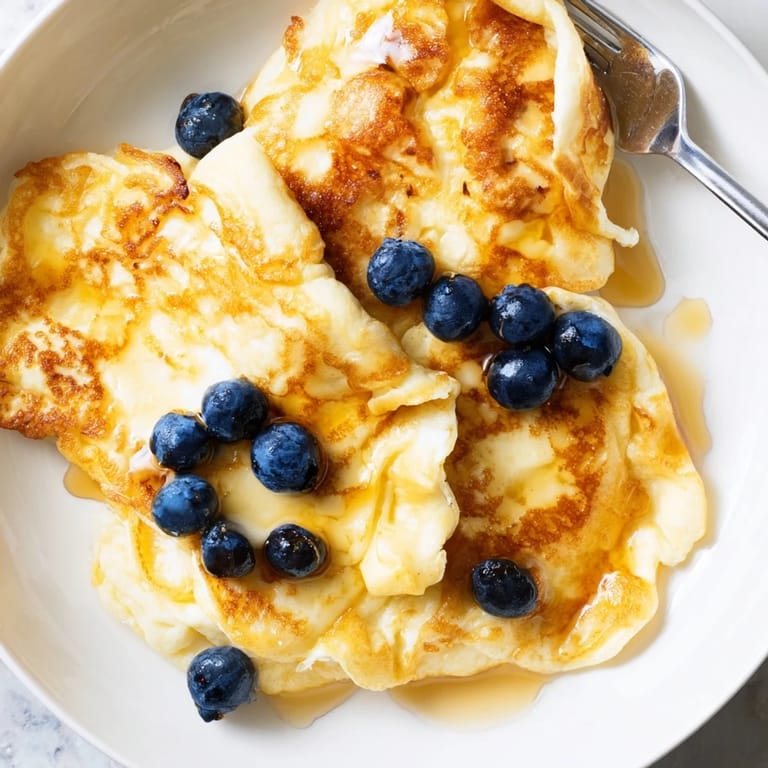
Save There's something wonderfully forgiving about the morning my sister showed up at my kitchen unannounced with her toddler, and I realized I'd forgotten to pick up the usual buttermilk I stockpile for pancakes. Instead of scrapping breakfast plans, I grabbed what was already in my fridge—eggs, yogurt, milk—and started whisking. What emerged from that skillet wasn't the stacked pancakes everyone expected, but these soft, pillow-like curds that she practically inhaled. My nephew still asks for "those funny pancakes" every time he visits.
I've made these on weekends when we're just cooking for ourselves and wanted something between a pancake and scrambled eggs, and on rushed mornings when guests arrived just as I was starting breakfast. The beauty is that it adapts to whatever you have—blueberries if you're feeling fancy, or just plain and true. My partner once added cinnamon and maple syrup to the batter itself instead of topping, and it changed everything for us.
Ingredients
- All-purpose flour (1 cup): Use it straight from your measuring cup without packing; if you compress it, you'll end up with dense, gluey pancakes instead of light ones.
- Granulated sugar (2 tbsp): This sweetens the batter subtly so your toppings don't overwhelm it, and it helps with browning in the pan.
- Baking powder (1 tsp): Don't skimp or use old baking powder that's been sitting open for months; it's the reason these puff up at all.
- Baking soda (½ tsp): Essential for reacting with the yogurt, giving you that tender, almost cloud-like texture.
- Salt (¼ tsp): Even a pinch wakes up the other flavors and prevents the dish from tasting one-note.
- Large eggs (2): They're the binding agent and also what makes these scramble like actual eggs, so use fresh ones if you can.
- Milk (¾ cup): Whole milk works best for richness, but low-fat won't ruin anything if that's what you have.
- Plain Greek yogurt or sour cream (¼ cup): This is your secret to moisture and tang; it keeps them soft for hours and adds a subtle flavor depth.
- Unsalted butter, melted (2 tbsp plus more for cooking): The butter in the batter adds richness, and a little more in the pan prevents sticking and creates golden spots.
- Vanilla extract (1 tsp): A tiny boost that rounds out the sweetness without making anything taste like vanilla.
- Blueberries, chocolate chips, or diced fruit (½ cup, optional): Fold these in gently at the very end so they don't get crushed into the batter.
Tired of Takeout? 🥡
Get 10 meals you can make faster than delivery arrives. Seriously.
One email. No spam. Unsubscribe anytime.
Instructions
- Mix the dry team:
- Whisk your flour, sugar, baking powder, baking soda, and salt together in a large bowl. You're looking for everything to be evenly distributed; take a few seconds extra here and your batter will be more consistent.
- Bring in the wet ingredients:
- Pour the eggs, milk, yogurt, melted butter, and vanilla into the dry mixture. Whisk gently until just combined—you want a batter that's thick but pourable, with small lumps still visible. Overmixing here makes them tough, so resist that urge to be thorough.
- Fold in any add-ins:
- If you're adding fruit or chocolate, fold it in now with a gentle hand so the pieces stay whole and distributed throughout.
- Heat your skillet:
- Place a large nonstick skillet over medium heat and let it warm for a minute. Brush it lightly with butter—you want just enough to coat without pooling.
- Pour and wait:
- Pour all the batter into the center of the skillet and resist the urge to touch it immediately. Let it cook undisturbed for 1 to 2 minutes; this lets the bottom set slightly and gives you something to work with.
- Start the scramble:
- Using a spatula, begin gently pushing the cooked edges toward the center while tilting the pan so uncooked batter flows to the sides. It should feel like you're making soft scrambled eggs, not breaking up a firm pancake—think tender, not torn.
- Cook until done:
- Keep folding and turning the batter for another 3 to 4 minutes until most of the wet batter has turned into soft, fluffy curds that are lightly golden. It's done when nothing looks raw but everything still feels tender.
- Plate and serve:
- Transfer to plates while they're still warm and top with whatever you love—maple syrup, fresh berries, whipped cream, or just a dusting of powdered sugar.
 Pin it
 There was a Tuesday morning when my friend brought her toddler by for breakfast, and I made these, and the two of us sat at the kitchen table while her daughter went quiet—that kind of quiet that means something just tasted exactly right. That's when I understood these weren't just a breakfast hack; they were something people actually wanted to come back for.
When To Go Simple, When To Get Creative
On mornings when you're eating alone or it's a weekday rush, keep these plain and let butter and syrup do the talking. But on weekends when you have a little time and someone to cook for, that's when you play—add a pinch of cinnamon to the dry mix, swap milk for buttermilk for a tangier edge, or stir lemon zest into the wet ingredients just before combining. I've even folded in crushed freeze-dried strawberries for a subtle pink color and a hint of berry flavor without moisture issues.
The Science Of The Scramble
What makes these different from regular pancakes is that constant movement as they cook. Instead of setting into one solid cake, the batter breaks apart into tender, custardy pieces while still cooking through. The yoga in the batter keeps everything moist, the eggs provide structure, and the gentle folding traps air so they stay light even as they cook all the way through. It's a little bit pancake, a little bit custard, entirely delicious.
Toppings And Pairings That Work
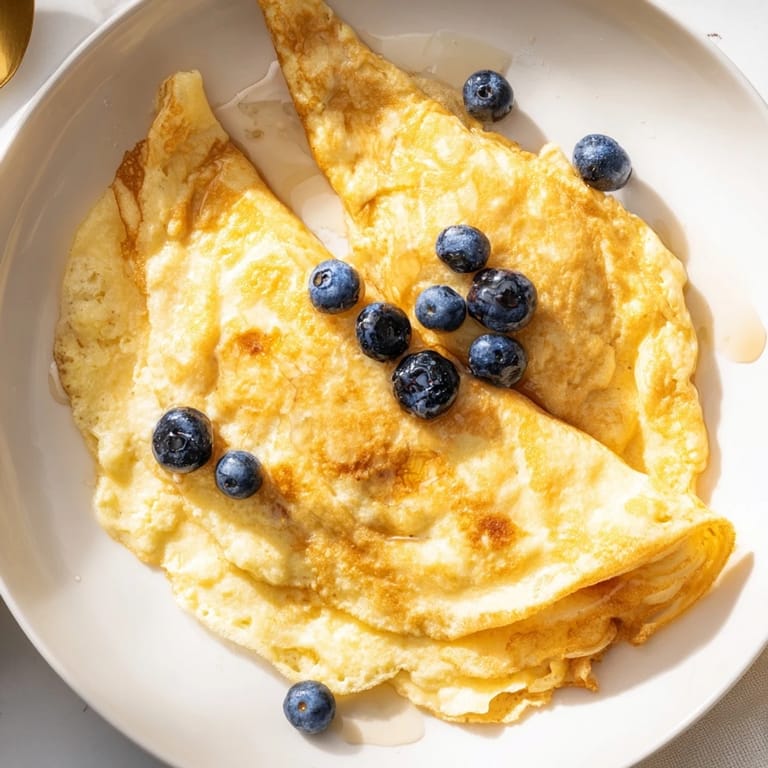
Maple syrup is the obvious choice, but these handle so much more. A spoonful of jam swirled on top, or a dollop of Greek yogurt with honey—they hold up to anything creamy, spiced, or sweet. I once topped a batch with sautéed peaches and a drizzle of balsamic reduction and it was honestly better than expected. Fresh berries right out of the container, a light dusting of cinnamon sugar, or even a crack of sea salt over chocolate chips if you're feeling bold.
- Serve them warm and within 10 minutes of cooking for the best texture—they're most tender straight from the pan.
- If you make them ahead, they reheat gently in the microwave for 20 to 30 seconds, though they won't be quite as airy as fresh.
- Double the batch if friends are coming; everyone always wants more than they think they will.
 Pin it
 Make these when you want breakfast to feel a little special but don't want the work. They're the kind of thing that sits somewhere between cooking and not cooking, humble and satisfying in equal measure.
Frequently Asked Questions
- → How do scrambled pancakes differ from traditional pancakes?
Scrambled pancakes are cooked by folding and gently stirring the batter in the skillet, creating fluffy, curd-like textures, unlike flat, poured pancakes.
- → Can I add fruit to the batter?
Yes, folding in blueberries, chocolate chips, or diced fruit provides added flavor and texture without altering cooking technique.
- → What is the best cooking temperature for fluffy scrambled pancakes?
Medium heat allows the batter to set slowly for gentle scrambling, preventing browning and maintaining softness.
- → What ingredients contribute to fluffiness?
Baking powder and soda help leaven the batter, while yogurt adds tenderness and moisture for a light texture.
- → How can I make pancakes extra fluffy?
Separating eggs and whisking whites to soft peaks before folding into the batter enhances lift and airiness.