 Save
Save The first time I made Tom Kha soup, I was recovering from a terrible cold in the middle of winter. My kitchen filled with the aromatic steam of lemongrass and galangal, and I remember standing over the pot, breathing in deeply as if it were therapy. The velvety coconut broth was exactly what my body craved - something nourishing yet vibrant with those distinctly Thai flavors that somehow manage to be both comforting and exciting.
Last month when my sister visited from Chicago, I made this soup on a rainy evening. We sat at the kitchen counter with steam rising from our bowls, and she went completely silent after the first taste - that wonderful food silence that tells you everything. The soup brought back memories of our backpacking trip through Thailand years ago, and we spent the evening trading stories wed almost forgotten, all sparked by these familiar flavors.
Ingredients
- Coconut Cream: The soul of this soup that gives it that silky, luxurious texture - I learned the hard way that regular coconut milk works but coconut cream delivers that restaurant-quality richness.
- Lemongrass: Always bruise it well with the back of your knife to release those essential oils that make the soup so aromatic, otherwise youll wonder why your soup tastes flat.
- Galangal: Its sharper and more citrusy than ginger, but fresh ginger will work in a pinch - I keep sliced galangal in my freezer since finding it fresh can be challenging.
- Kaffir Lime Leaves: These little powerhouses punch far above their weight in flavor - tearing them releases their oils and makes your kitchen smell like a Thai restaurant.
- Bird's Eye Chilies: Adjust to your heat tolerance, but dont skip them entirely - even one adds a warmth that balances the coconut creaminess.
Tired of Takeout? 🥡
Get 10 meals you can make faster than delivery arrives. Seriously.
One email. No spam. Unsubscribe anytime.
Instructions
- Build Your Aromatic Base:
- Combine the coconut cream and chicken stock in a large saucepan, then add your lemongrass, galangal, lime leaves, shallots, garlic, and chilies. The smell that rises as this mixture gently heats is your first reward.
- Infuse The Broth:
- Let everything simmer gently for about 10 minutes, during which the clear liquid transforms into a fragrant elixir. You can tell its ready when your kitchen smells like a Thai spa.
- Add Protein & Mushrooms:
- Slide in your thinly sliced chicken and mushrooms, letting them poach in the fragrant broth. The chicken should be sliced thin enough that it cooks quickly without toughening.
- Remove The Inedibles:
- Fish out the lemongrass stalks, galangal slices, and lime leaves - theyve done their aromatic duty. No one wants to bite into a woody piece of lemongrass while enjoying their soup.
- Balance The Flavors:
- Now for the magic touch - add fish sauce for saltiness, lime juice for brightness, and a touch of sugar to round everything out. Take a taste and adjust these elements until it makes you smile.
- Serve With Flair:
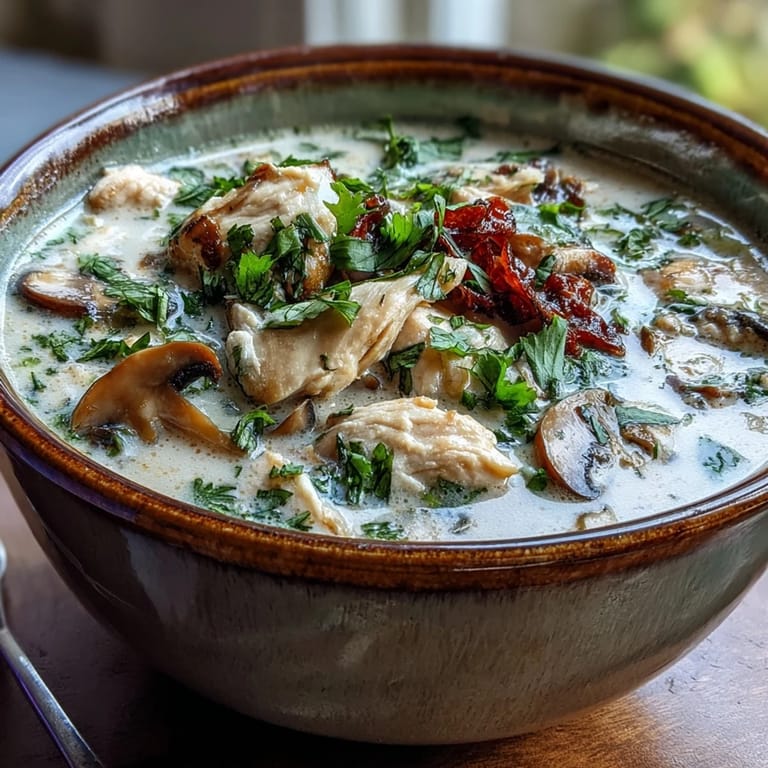
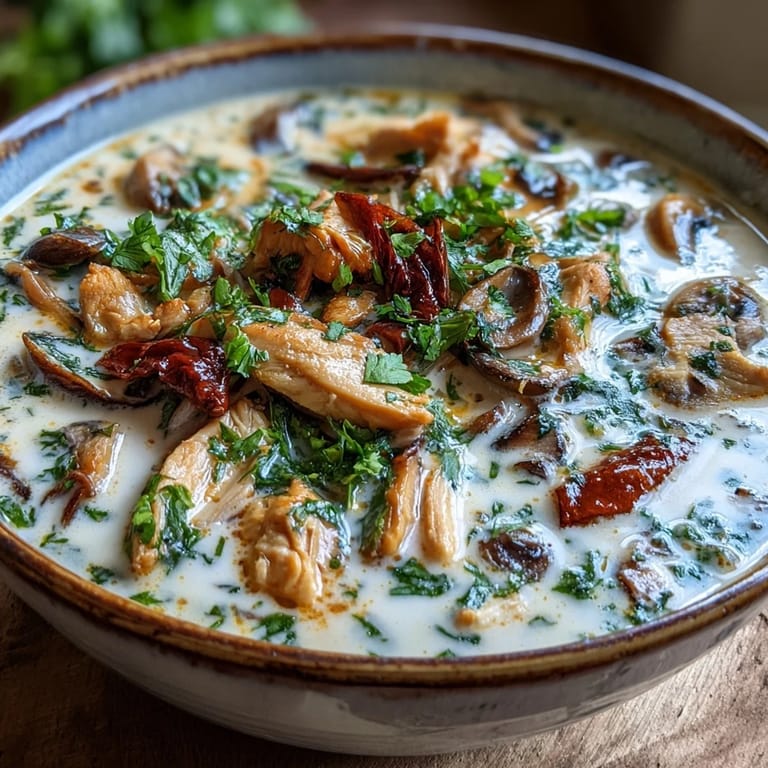
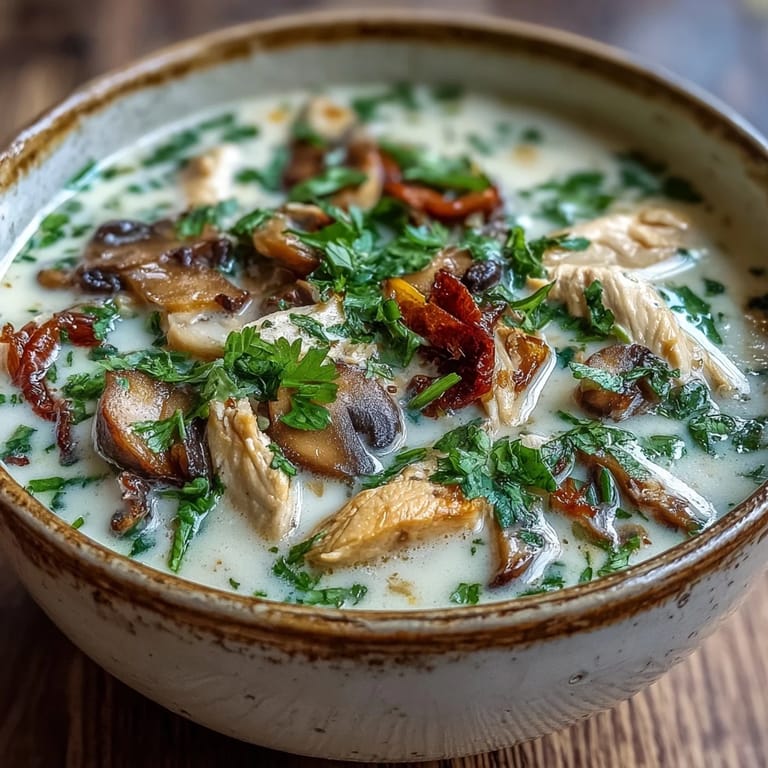
- Ladle this liquid gold into bowls, scatter fresh cilantro on top, and serve with extra lime wedges on the side. The final squeeze of lime just before eating wakes up all the flavors.
 Pin it
 One evening during lockdown, I made this soup and dropped some off at my neighbors doorstep. She texted an hour later saying it was the first thing shed truly tasted in weeks after losing her sense of smell. The powerful aromatics in Tom Kha had somehow broken through, and we both cried a little at the small miracle food can sometimes perform when everything else feels uncertain.
Flavor Balancing Act
The beauty of Tom Kha lies in its perfect balance of four essential Thai flavor components: creamy (coconut), sour (lime), salty (fish sauce), and aromatic (herbs). If your soup tastes flat, its usually missing one of these elements. I learned this from an elderly Thai woman at a cooking class who tasted my first attempt and simply handed me more lime with a knowing smile. That small adjustment transformed the entire dish.
Vegetarian Adaptations
When my vegetarian cousin visits, I swap the chicken for firm tofu cubes and use mushroom broth instead of chicken stock. The secret is to use two types of mushrooms - buttons for texture and shiitakes for depth. I also replace the fish sauce with a mixture of soy sauce and a tiny bit of miso paste, which creates that same umami punch without the fish.
Serving Suggestions
In Thailand, this soup is rarely eaten alone but served as part of a larger meal with other dishes. At home, I sometimes make it the star by serving it over a small mound of jasmine rice in the bowl, turning it into a complete one-dish meal.
- Keep a small dish of chili oil on the table for heat-lovers to customize their bowls.
- A side of quick-pickled cucumbers provides a cooling contrast to the rich soup.
- For unexpected crunch, top with a few bean sprouts or toasted rice powder just before serving.
 Pin it
 This soup has become my culinary love language, the dish I make when words arent enough. Whether for celebration or consolation, few things communicate care quite like a steaming bowl of Tom Kha.
Frequently Asked Questions
- → What makes Tom Kha different from Tom Yum?
Tom Kha features coconut cream for a rich, velvety texture, while Tom Yum has a clear, spicy broth. The coconut base makes Tom Kha milder and more luxurious.
- → Can I make this vegetarian?
Absolutely. Replace chicken with firm tofu and substitute fish sauce with soy sauce or vegetarian fish sauce. The result remains equally delicious.
- → What can I use if I can't find galangal?
Fresh ginger makes an adequate substitute, though the flavor profile will shift slightly. Use a bit more ginger to compensate for galangal's distinct piney notes.
- → How spicy is this soup?
The heat level depends on the number of chilies added. Start with one bird's eye chili and adjust to your preference. Removing seeds reduces intensity while maintaining flavor.
- → Can I freeze leftovers?
Yes, Tom Kha freezes well for up to 3 months. The coconut cream may separate slightly upon thawing, but gentle reheating restores the silky texture.