 Save
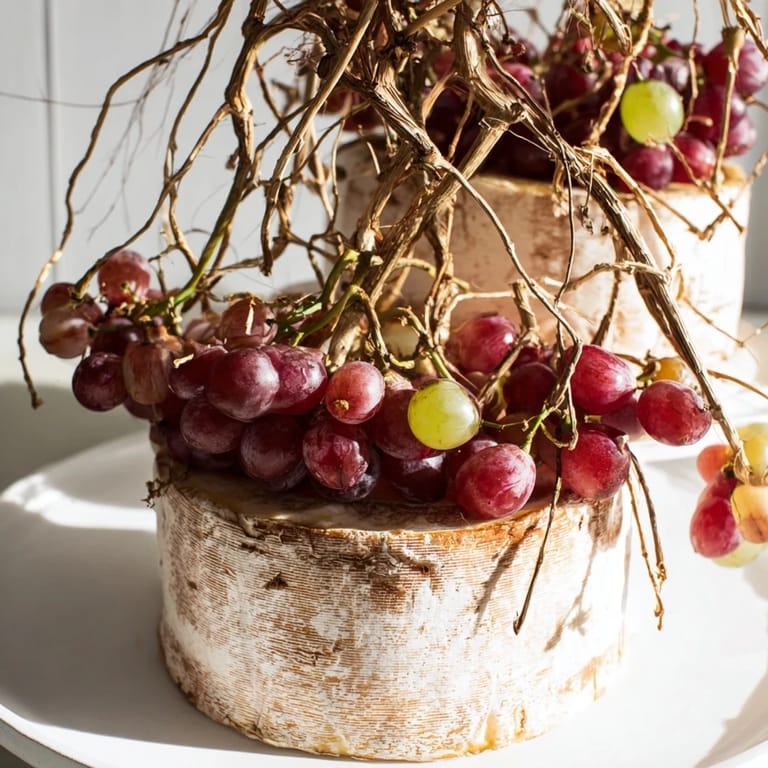
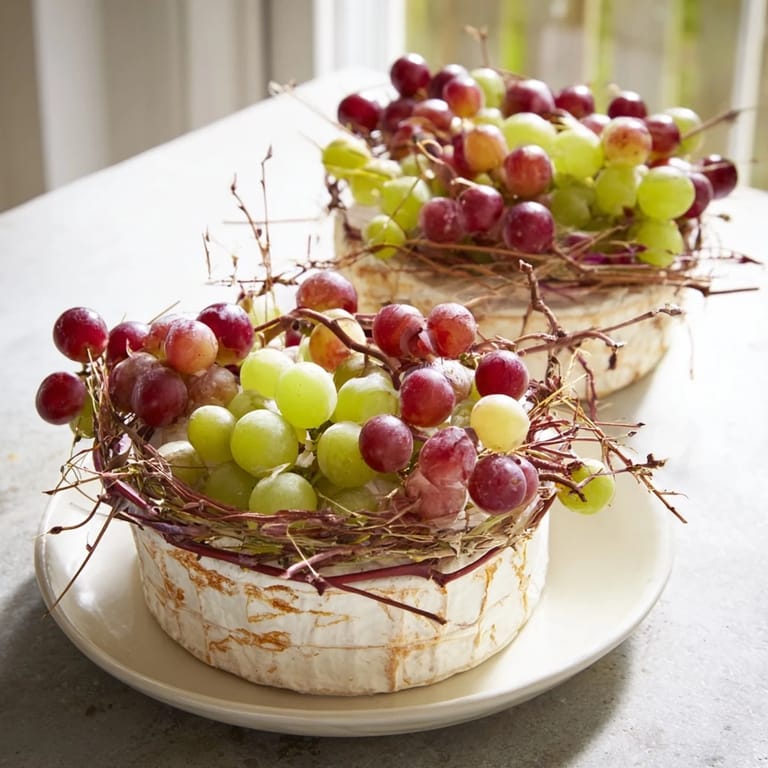
Save My first encounter with this presentation happened at a small gathering in Provence, where a friend simply draped grapevines across a wheel of local tomme and suddenly the entire table fell silent. It wasn't fancy—just vine, cheese, grapes, and bread—but something about seeing the vineyard brought to the table made everyone pause. That moment taught me that sometimes the most memorable dishes aren't complicated; they're just honest.
I made this for my partner's birthday lunch, and watching people's faces as they arrived and saw the vines cascading across the board was worth more than any fussy appetizer. Someone mentioned it was like bringing a piece of the vineyard inside, and suddenly it felt less like a cheese board and more like an experience we were all sharing together.
Ingredients
- Young, rustic cheese wheels: Two large wheels of tomme, young pecorino, or farmhouse cheese create the foundation—choose ones with a tender paste and minimal aging so they're soft enough to slice generously but still have character.
- Untreated grapevine branches: Three to four long branches with leaves intact are the star; they need to be organic and pesticide-free since you're draping them directly over food, so source them carefully from a vineyard or trusted supplier.
- Fresh grapes: About 500 grams of red, green, or mixed grapes left on the stem create pockets of color and sweetness that balance the cheese's richness.
- Rustic bread: A baguette or country loaf sliced thick enough to hold cheese without crumbling, because thin slices disappear too quickly in a sharing situation.
- Nuts and dried fruit: Walnuts, almonds, dried figs, and apricots add texture and flavor complexity without demanding attention.
Tired of Takeout? 🥡
Get 10 meals you can make faster than delivery arrives. Seriously.
One email. No spam. Unsubscribe anytime.
Instructions
- Arrange the vines:
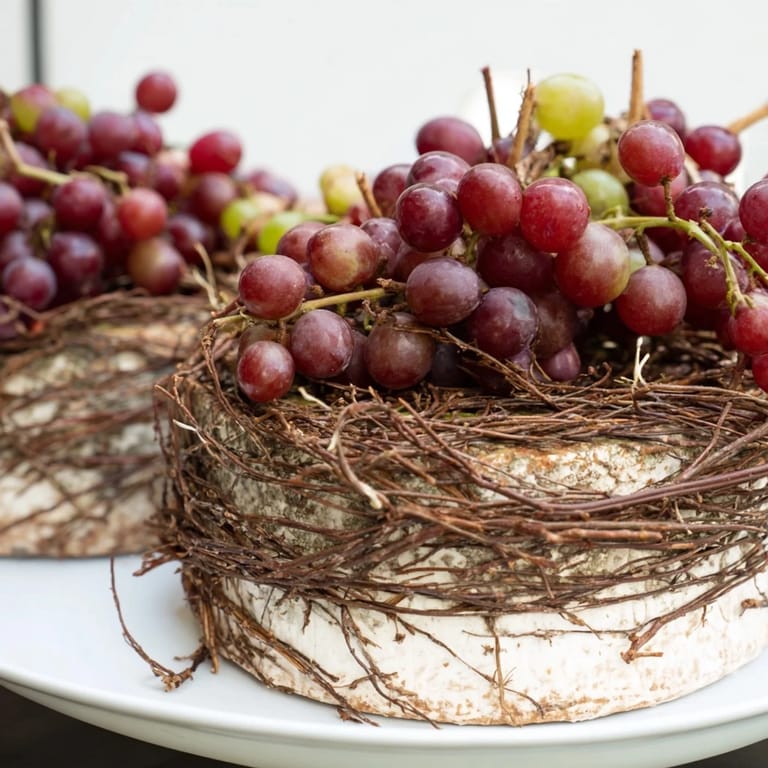
- Lay the grapevine branches across your wooden board in loose, natural drapes over and around the cheese wheels, letting the leaves fall where they want rather than forcing them into neat patterns. The vines should look like they just fell there, organic and unhurried.
- Tuck in the grapes:
- Nestle clusters of fresh grapes among the vines and around the cheese—they'll catch light and create little pockets of color that invite people to reach for them first. Leave them on the stem when possible so they feel less processed and more vineyard-fresh.
- Build around the center:
- Arrange sliced bread, nuts, and dried fruit in small casual piles around the vines and cheese, treating the board like you're composing a landscape rather than organizing a checklist. The board should feel abundant but not overcrowded.
- Serve and enjoy:
- Bring everything to room temperature and let people slice cheese and build bites however they want, pairing the cheese with grapes, bread, and whatever else speaks to them in that moment.
 Pin it
 What struck me most wasn't how beautiful the board looked, but how it changed the rhythm of eating. People lingered, they talked more, they tried cheeses they might have passed over on a traditional board because the vines gave them permission to explore. Food that makes people slow down and connect is always worth making.
Why This Works as a Centerpiece
A standard cheese board can fade into the background of a table, but vines draped across wheels of cheese become a focal point that draws eyes and conversation. The natural drama of the vines does the heavy lifting for you—no carving skills needed, no fancy plating technique, just thoughtful arrangement that feels effortless. People actually remember this presentation, not because it's complicated, but because it feels intentional and alive in a way that pre-sliced cheese on a cutting board never does.
Sourcing and Substitutions
Finding untreated grapevine branches might feel tricky at first, but local vineyards are usually happy to share during winter pruning season when they're cutting back vines anyway. If vines aren't available where you live, fresh grape leaves work beautifully and are often sold in Mediterranean or Middle Eastern markets, either fresh or preserved in jars. The cheese choices matter too—you want something young enough to slice cleanly but with enough character to stand alone, so ask your cheesemonger specifically for farmhouse varieties that are still tender.
The Pairing Principle
This board sings alongside crisp white wines—Sauvignon Blanc, Albariño, or unoaked Chardonnay all complement the fresh grapes and cheese without fighting for attention. Light reds like Pinot Noir or young Gamay work too if that's what you're pouring. A drizzle of local honey or good olive oil just before serving adds richness without overshadowing anything, and it gives people one more reason to break the bread and dip into the experience.
- Taste the cheese at room temperature for its full flavor to shine through.
- Pull the board from the refrigerator 30 minutes before serving so everything comes alive.
- Let guests cut their own pieces rather than pre-slicing—it makes the sharing feel more personal.
 Pin it
 This isn't a recipe that asks you to be a chef—it asks you to pay attention to what's already beautiful and let it be itself. That's often the hardest and most rewarding thing to do in the kitchen.
Frequently Asked Questions
- → What type of cheese is best for this dish?
Young, rustic cheeses like tomme, young pecorino, or farmhouse varieties work best due to their texture and mild flavor.
- → Can I use grape leaves instead of full grapevines?
Yes, grape leaves can substitute when untreated grapevines are not available, maintaining the fresh vineyard appeal.
- → How should the grapevines be prepared?
Use untreated, washed, and dried grapevine branches with leaves intact to ensure a natural look and safety.
- → What accompaniments pair well with this dish?
Sliced rustic bread, assorted nuts like walnuts or almonds, and dried fruits enhance the flavors and textures beautifully.
- → Is this dish served warm or cold?
Serve at room temperature to preserve the fresh textures of the cheese, grapes, and vines.