 Save
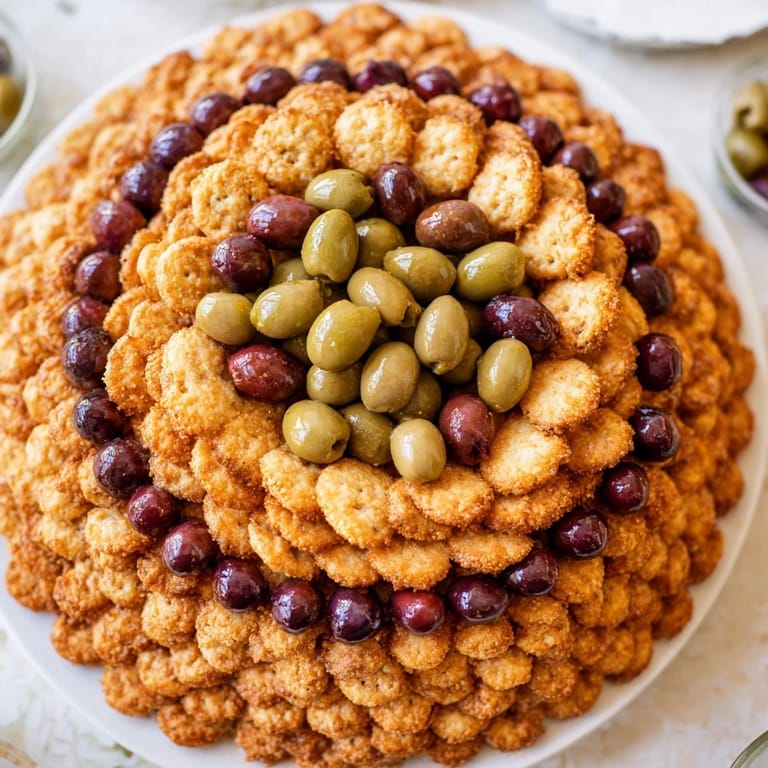
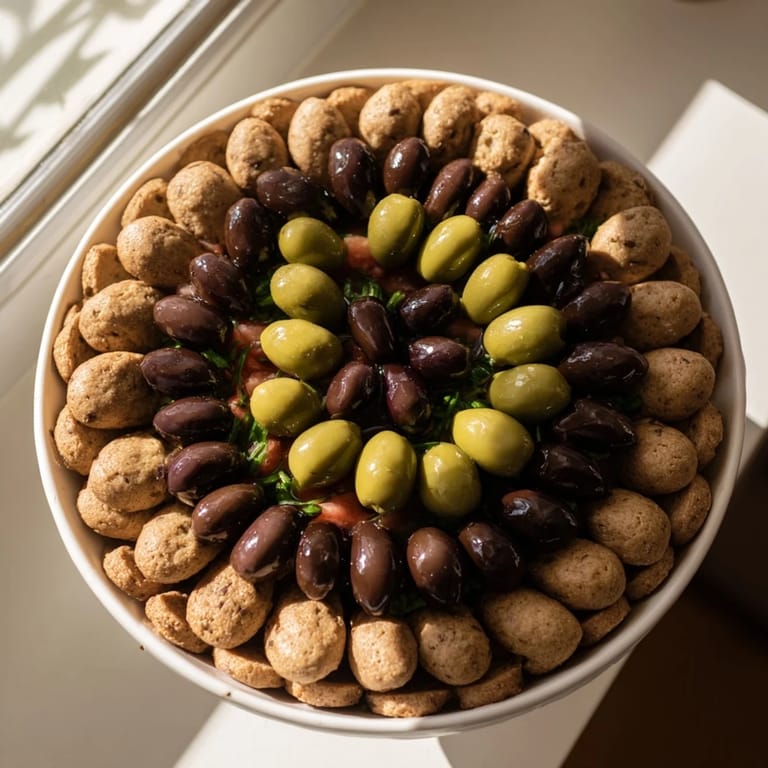
Save There's something magical about turning a simple platter into a conversation piece, and this Roman Colosseum arrangement absolutely delivers that moment. I stumbled upon this idea while browsing through old travel photos from a trip to Rome, suddenly imagining what it would be like to recreate that iconic amphitheater on my kitchen counter using nothing but snacks. The beauty of it is that anyone can pull it off—you don't need special skills or fancy ingredients, just a sense of playfulness and about fifteen minutes of your time. What started as a silly concept became one of my go-to moves for impressing guests without breaking a sweat.
I made this for a small gathering once, and my friend kept walking around the platter taking pictures from different angles like it was an actual archaeological dig site. He later told me it was the first appetizer spread that felt both elegant and genuinely fun, which perfectly captures what this dish does. The combination of textures—the snap of a cracker against the chew of an olive—creates this satisfying little moment in your mouth that feels almost ceremonial despite being completely casual.
Ingredients
- Round or oval crackers (100–120 g, about 40–50 pieces): These are your arena walls, so pick ones sturdy enough to stand slightly overlapped without crumbling—a hearty wheat cracker or something with seeds works better than thin, delicate ones.
- Mixed olives, pitted (about 150 g): Green and black together create visual contrast that makes your gladiators really pop in that center ring, and pitting them ahead of time means guests don't have that awkward moment of spitting pits into napkins.
- Fresh parsley, finely chopped (2 tbsp, optional): That hit of green brightness over the olives lifts the whole platter visually and adds a whisper of freshness that cuts through the saltiness.
- Extra virgin olive oil (1 tbsp, optional): A light drizzle adds a subtle sheen and brings richness to the olives without overwhelming their natural flavor.
- Aged provolone or mozzarella, cubed (50 g, optional): These add creaminess and mild flavor among the salty olives, giving people another textural choice as they graze.
- Cherry tomatoes, halved (50 g, optional): They burst with fresh sweetness against everything else and provide pops of color that make the arrangement feel less monotone.
Tired of Takeout? 🥡
Get 10 meals you can make faster than delivery arrives. Seriously.
One email. No spam. Unsubscribe anytime.
Instructions
- Scout your stage:
- Find a large round serving platter or wooden board that will be your Colosseum base—the bigger and rounder, the more dramatic your arena becomes. I once used a cutting board in a pinch, and honestly, it still worked beautifully.
- Build your tiers:
- Stand your crackers upright around the outer edge of the platter, overlapping them slightly as you go in a circle, then work inward in concentric rings, creating two or three layers like the Colosseum's tiered seating. You'll know you're doing it right when it starts looking architectural rather than just scattered.
- Plant your gladiators:
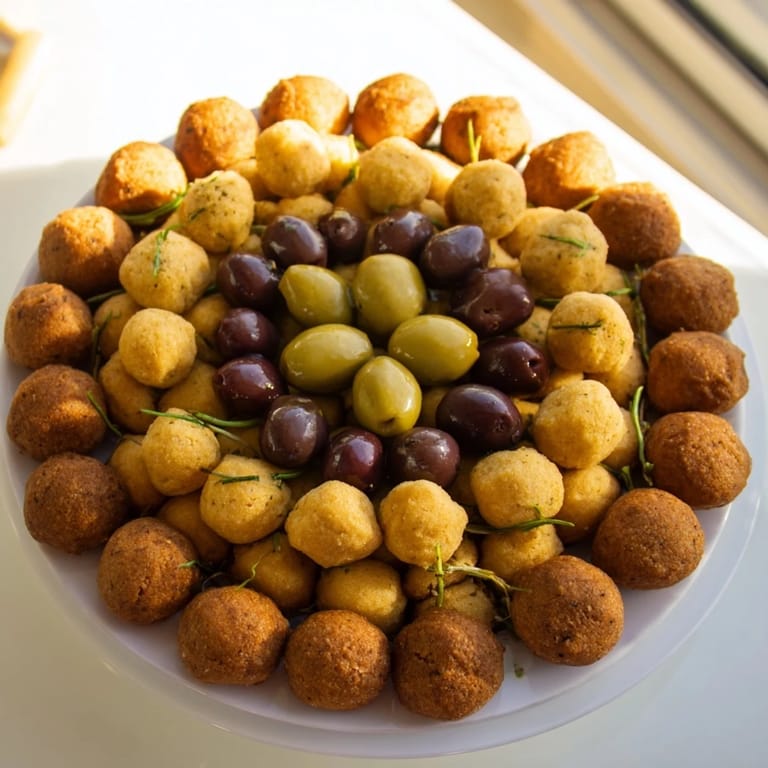
- Pile those mixed olives into the very center of the platter, creating a mound that draws the eye immediately. The contrast between the arranged crackers and the loose, tumbling olives creates that visual tension that makes people lean in.
- Add color and texture:
- Scatter your cheese cubes and halved cherry tomatoes around the olive mound if you're using them, filling in any gaps and creating little pockets of flavor that make every bite different. This is where you can get creative—think of it like you're placing gems in the arena.
- Finish and shine:
- Sprinkle that finely chopped parsley over the olives and give everything a light drizzle of olive oil if you're using it, which makes everything look luminous and finished. Serve it immediately while the crackers are crisp and your moment of glory is fresh.
 Pin it
 There was this moment during a dinner party when someone's kid actually gasped at the platter, calling it 'the coolest food ever made,' and suddenly the whole table was laughing because it was just crackers and olives, but presented like it mattered. That's when I realized this dish isn't really about fancy ingredients—it's about taking something simple and making people feel like you thought about them enough to create a little edible theater.
Make It Your Own
The beauty of this platter is how flexible it becomes once you understand the basic idea of circular arrangement and contrast. You can swap in roasted chickpeas for extra crunch, add sliced cured meats draped between the crackers, or even use breadsticks and crostini instead if you want something with more substance. The skeleton is always the same—a circular frame with something interesting in the middle—but you can fill it with whatever makes sense for your pantry and your guests' preferences.
Serving and Pacing
This is one of those dishes that works best as a pre-dinner conversation starter rather than a standalone snack, though it absolutely can be both. Set it out about ten minutes before your guests arrive if you can, giving everyone time to admire it before the eating begins, and notice how it becomes this natural gathering point where people cluster around and start chatting. You'll also notice that because everything is meant to be picked at rather than plated, people feel less self-conscious about going back for more, which somehow makes the whole experience feel more convivial.
Seasonal Tweaks and Wine Pairings
In summer, I lean into adding fresh basil and sun-ripened tomatoes with maybe a sprinkle of sea salt, while in winter I've experimented with roasted red peppers and aged cheeses that feel more substantial. A chilled Italian white wine—Pinot Grigio or Vermentino—pairs beautifully because it cuts through the saltiness of the olives without competing with anything, or skip wine entirely and go with sparkling water with fresh lemon, which feels equally refreshing and less formal.
- Try adding thin slices of prosciutto draped between the crackers for a meat-lover's version.
- Gluten-free crackers work perfectly if you're serving anyone with dietary restrictions, and they often have more interesting textures than you'd expect.
- A light scatter of toasted pine nuts or almonds adds sophistication and crunch in about thirty seconds flat.
 Pin it
 This platter taught me that sometimes the most impressive thing you can serve isn't about complexity or hours in the kitchen—it's about presentation and thoughtfulness in equal measure. Every time you set it out, you're sending a quiet message that you bothered to make something look beautiful for the people sitting around your table.
Frequently Asked Questions
- → What type of crackers work best for this platter?
Round or oval crackers with a sturdy texture hold up well when arranged upright, mimicking the Colosseum tiers. Breadsticks or crostini can also be substituted for variety.
- → Can the olives be replaced or varied?
Mixed green and black olives provide visual contrast and flavor balance, but you may use other pitted olives or marinated varieties to suit your taste.
- → How can I make this platter vegan friendly?
Simply omit the cheese or replace it with plant-based alternatives. The other ingredients are naturally vegan.
- → Is this platter suitable for gluten-sensitive guests?
To accommodate gluten sensitivities, use gluten-free crackers or breadsticks as the base arrangement.
- → What beverages pair well with this snack layout?
Crisp Italian white wines or sparkling water with lemon complement the flavors and enhance the overall experience.
- → How long does it take to prepare this snack platter?
Preparation is quick and simple, generally taking about 15 minutes with no cooking involved.