 Save
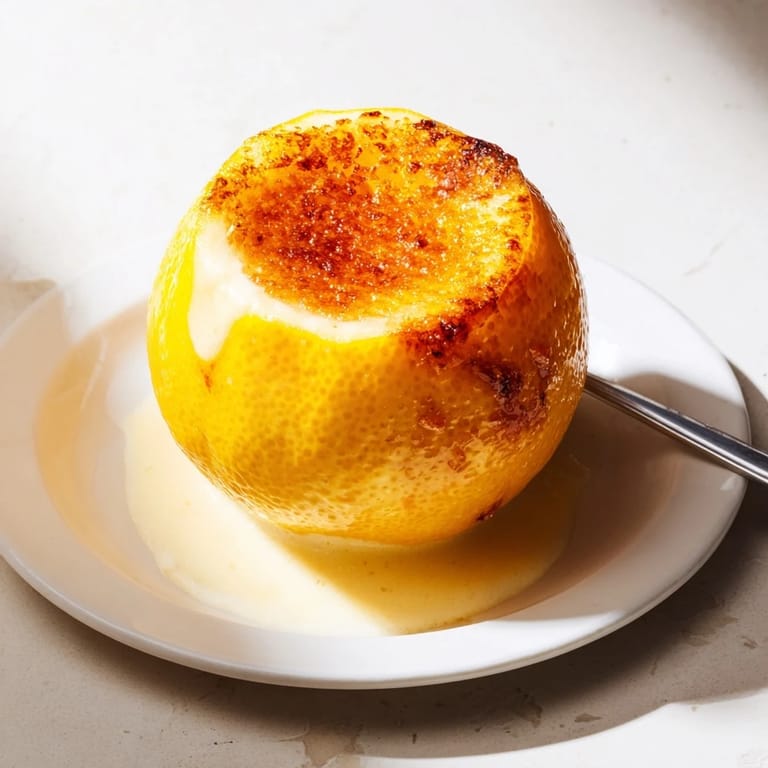
Save The first time I made posset, I was trying to impress someone who'd just moved into the neighborhood. I'd found a recipe tucked in an old British cookbook at a flea market, and the idea of serving something in actual lemon shells felt impossibly elegant. What struck me most wasn't the cooking itself—it was the moment I cracked the kitchen torch and watched the sugar transform from granules to molten gold right before their eyes. That small, theatrical moment changed how I thought about plating.
I made this for a dinner party on a sticky summer evening when everyone was complaining about the heat. The second those possets came out of the fridge, the whole room seemed to cool down just from looking at them. One guest asked if the lemon shell was actually edible, and I watched them tentatively nibble it—that little moment of discovery reminded me why I love cooking for people.
Ingredients
- Double cream (500 ml): This is the soul of the dish—use the best quality you can find, because when you reduce it, every bit of richness concentrates. Room-temperature cream actually comes together more smoothly with the acid.
- Caster sugar (140 g plus 6–8 tsp for topping): The fine grains dissolve instantly into the cream without any grit. For the brûlée top, caster sugar caramelizes more evenly than coarse sugar.
- Lemon zest (from 2 lemons): Strip it with a microplane just before you make the cream; the oils are brightest when they're freshest and will perfume the whole pan.
- Fresh lemon juice (90 ml): Squeeze it yourself—bottled juice tastes thin and slightly metallic by comparison, and it won't set your posset the same way.
- Large lemons (6 for shells): Choose ones that feel firm and heavy; thin-skinned lemons are easier to hollow without puncturing them.
Tired of Takeout? 🥡
Get 10 meals you can make faster than delivery arrives. Seriously.
One email. No spam. Unsubscribe anytime.
Instructions
- Hollow your vessels with care:
- Halve the lemons lengthwise and use a small spoon or melon baller to gently scoop out the flesh without breaking the delicate shell. Trim a tiny slice from the bottom of each half so it sits flat and won't tip over.
- Infuse the cream with brightness:
- Combine the cream, sugar, and lemon zest in a saucepan and bring it to a gentle boil over medium heat, stirring just until the sugar dissolves. Let it simmer for exactly 3 minutes—this concentrates the flavors without making the cream separate.
- Add the lemon juice and watch the magic:
- Remove from heat and stir in the fresh lemon juice. You'll see the mixture thicken slightly as the acid cooks the cream, creating that luxurious custard-like texture. This is posset—the heat and acid doing all the work without any gelatin.
- Strain for silk-like smoothness:
- Let the mixture cool for 10 minutes, then pour it through a fine mesh strainer to remove the zest. This step feels fussy but it transforms the texture from slightly grainy to utterly refined.
- Fill the shells while still warm:
- Carefully pour the posset into each lemon shell, filling close to the rim. The warm posset flows into every curve of the shell and creates an almost sculptural presentation once it sets.
- Chill with patience:
- Refrigerate for at least 3 hours until completely set. You can make these a full day ahead and keep them covered until you're ready to finish them.
- Torch and serve immediately:
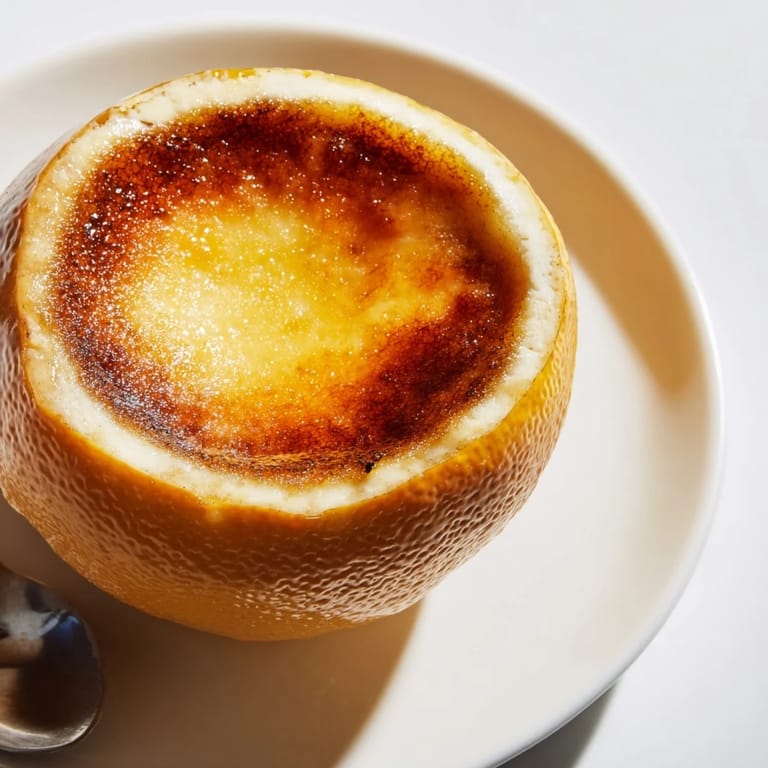
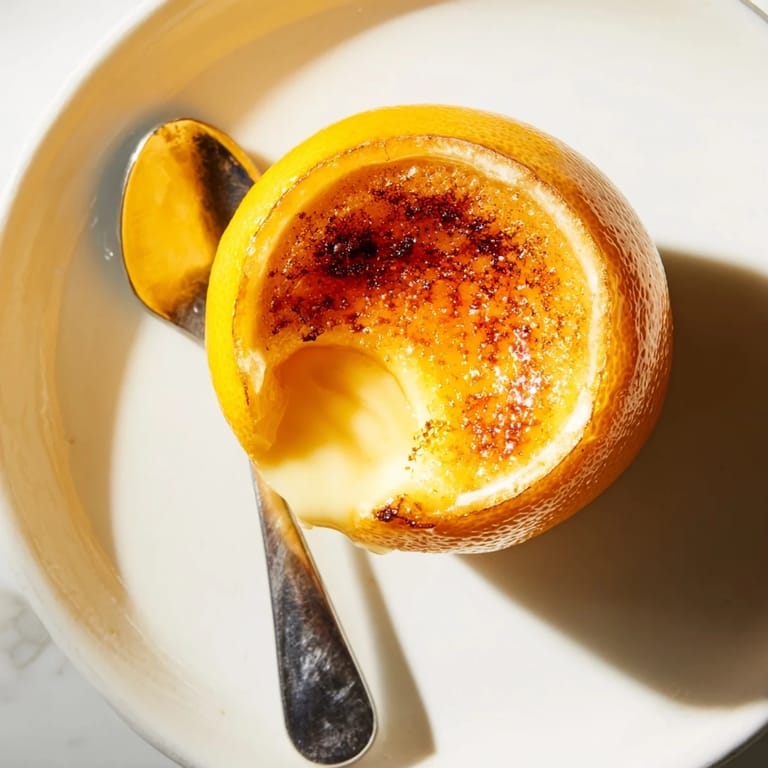
- Just before serving, sprinkle about 1 teaspoon of caster sugar evenly across each posset. Using a kitchen blowtorch, hold it about 2 inches away and move it steadily across the sugar until it's a uniform amber color, then let it harden for 2–3 minutes.
 Pin it
 One winter, a friend who's normally skeptical of fancy desserts came over and I made these for her. She took one spoonful, cracked through that caramelized sugar, and her whole face changed. She asked for the recipe before she'd finished eating, and I realized that sometimes the simplest combinations—just cream, lemon, and sugar—are the ones people actually remember.
The Story Behind Posset
Posset is an ancient British dessert that used to be hot and spiced, something people drank from special bowls at celebrations. Modern versions dropped the heat but kept the elegant simplicity, and I love that it's evolved into this silky cold dessert that feels contemporary but tastes timeless. There's something honest about a recipe that hasn't needed reinvention.
Why Lemon Shells Matter
Serving posset in actual lemon shells isn't just for show—it genuinely makes the dessert taste better. The shell keeps the posset chilled longer than a regular dish would, and there's something about eating directly from the source that makes the citrus flavor feel more intentional. Plus, people always comment on the presentation, which honestly feels nice after you've taken the time to make something special.
Perfect Pairings and Make-Ahead Strategy
Serve these with crisp shortbread or almond biscuits—something that contrasts with the creaminess without overwhelming the delicate lemon flavor. You can prepare everything up to a day ahead, which is the beauty of this dessert for entertaining; just brûlée the tops minutes before you bring them to the table so the sugar is still snapping and warm.
- Keep the possets covered in the fridge so they don't absorb other flavors or develop condensation.
- If you're feeling adventurous, try adding a tiny pinch of thyme or basil to the cream while it simmers, then strain it out before adding the lemon juice.
- The lemon shells are technically edible, so don't hesitate to nibble the rim once you've finished the posset inside.
 Pin it
 This is the kind of dessert that makes you feel like a sophisticated cook even though you're mostly just heating cream and timing a torch flame. Make it for people you want to impress, or make it for yourself on an ordinary Tuesday when you deserve something that feels extraordinary.
Frequently Asked Questions
- → How do I prepare the lemon shells without breaking them?
Carefully halve the lemons lengthwise and gently scoop out the pulp while keeping the shells intact. Trim a thin slice off the bottom so they stand upright securely.
- → Can I add herbs to enhance the lemon cream flavor?
Yes, infusing the cream with a sprig of thyme or basil during simmering adds subtle herbal notes. Remove the herbs before adding lemon juice to keep the texture smooth.
- → What is the best way to caramelize the sugar topping?
Using a kitchen blowtorch provides even caramelization and control. Alternatively, use a very hot grill or broiler, watching closely to avoid burning.
- → How long should the dessert chill before serving?
Chill the filled lemon shells in the refrigerator for at least 3 hours or until the cream is fully set for optimal texture.
- → Are the lemon shells edible?
While lemon shells are edible, they are typically used as serving vessels to enhance presentation and contain the lemon cream.