 Save
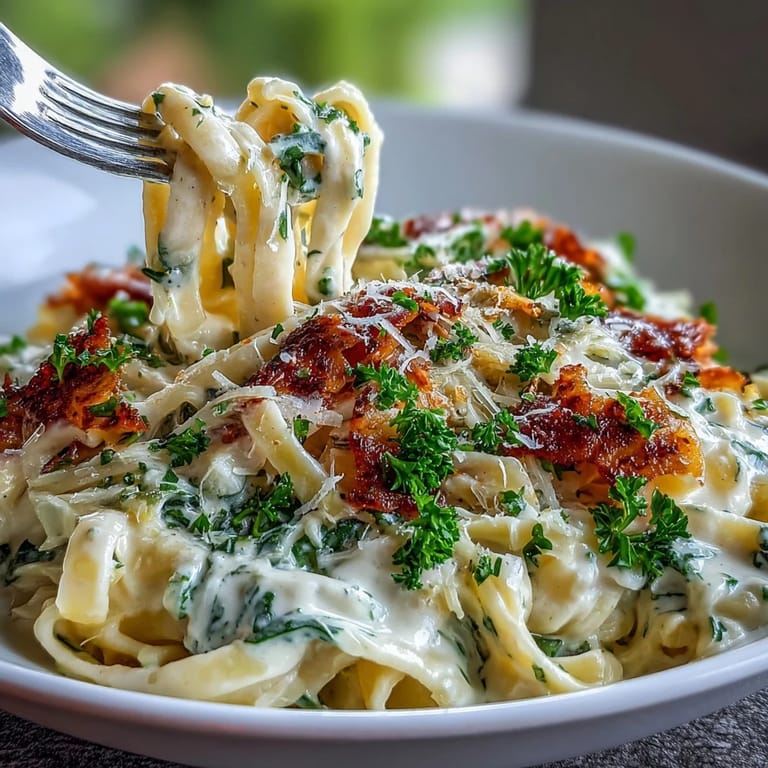
Save To this day, the soft sizzle of cabbage landing in melted butter is one of my favorite kitchen sounds—unexpectedly comforting, slightly mischievous, like I'm letting a humble vegetable crash an otherwise fancy Italian pasta party. Creamy Cabbage Alfredo started in my kitchen as a wild idea when pasta night called for something lighter but still decadent. I remember the sweet steam clouding my glasses as I hovered over the pan, surprised at how well the cabbage softened into the sauce. The aroma melded garlic and cheese, but it was the caramelized edges of cabbage that made me want to dig in even before the pasta hit the plate. Some recipes whisper their brilliance slowly, and this one hooked me with every creamy bite.
The first time I made this for friends was on a late spring evening, when rain kept us indoors with nowhere to be but around the kitchen table. Conversation flowed easier with every swirl of pasta, and watching my notoriously cabbage-skeptical roommate sneak seconds felt like a small culinary victory. We laughed about how the dish looked greener than a regular Alfredo but disappeared just as quickly.
Ingredients
- Fettuccine: Choose a sturdy pasta that hugs the sauce; a splash of reserved pasta water smooths things out perfectly.
- Green cabbage: Finely shred it for quicker cooking—slicing too thick makes it chewy instead of tender.
- Unsalted butter: Creamy richness without overpowering salt—watch for golden bubbling, not browning.
- Garlic: Freshly minced always wins; let it bloom just until fragrant to avoid bitterness.
- Heavy cream: Gives a velvety base; room temperature cream blends into the sauce without surprise lumps.
- Parmesan cheese: Grated fresh for classic cheesy pull; pre-shredded can clump and dull the flavor.
- Cream cheese: Turns the sauce extra silky; softened beforehand so it melts instead of leaving stubborn bits.
- Salt and black pepper: Season gradually at each stage for a balanced taste throughout.
- Nutmeg (optional): Just a pinch adds a subtle warmth that feels special.
- Fresh parsley: Adds color and a fresh-herb pop right before eating.
- Extra Parmesan (for serving): More cheese, more joy.
Tired of Takeout? 🥡
Get 10 meals you can make faster than delivery arrives. Seriously.
One email. No spam. Unsubscribe anytime.
Instructions
- Boil and Prep Pasta:
- Fill a large pot with salted water and bring it to a rolling boil. Drop in the fettuccine and cook until al dente, saving half a cup of pasta water before draining.
- Start the Aromatics:
- As the pasta cooks, melt butter in a deep skillet over medium heat. Add garlic and stir until your kitchen is awash with its scent, about 30 seconds.
- Cabbage Time:
- Scatter in the shredded cabbage and stir often as it softens and gently caramelizes, which takes 6 to 8 minutes.
- Make it Creamy:
- Lower the heat; pour in the heavy cream and add the cream cheese. Stir patiently until everything melds into a smooth, luscious sauce.
- Add Cheese and Season:
- Sprinkle in the Parmesan, salt, pepper, and a pinch of nutmeg if using. Simmer until the sauce just thickens and ribbons from a spoon.
- Toss it Together:
- Add cooked pasta right into the pan, tossing so every strand gets coated. Splash in reserved pasta water a bit at a time if the sauce looks too thick.
- Final Taste & Serve:
- Taste, adjust seasoning, then pile high on plates. Shower with parsley and extra Parmesan, then serve while steamy.
 Pin it
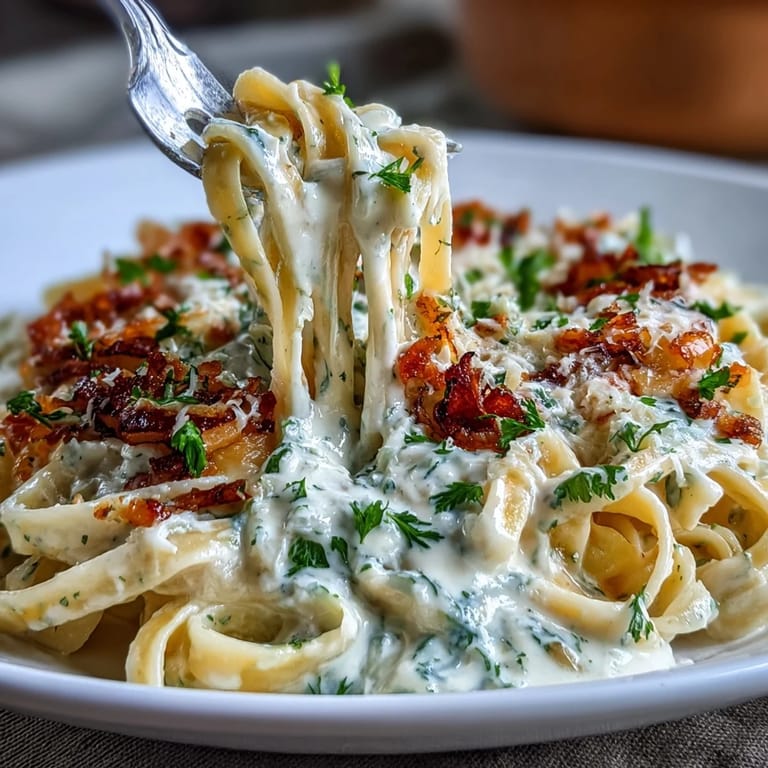
 I didn't expect this bowl of pasta to spark so many cozy evenings, but it's become a go-to dish for those nights we want something comforting yet slightly unexpected. The simple act of shredding cabbage reminds me how even ordinary ingredients can make a meal memorable.
Swaps and Add-Ons You Can Try
Sometimes I toss in a handful of sautéed mushrooms or a touch of chili flakes for a little heat. Using tagliatelle or linguine instead of fettuccine works great if that's what you have on hand. If you want a lighter version, I've swapped in half-and-half with lovely results and less guilt.
Allergy Notes and Ingredient Tips
This recipe does contain both dairy and gluten, so always check your cheese and pasta labels if you have sensitivities. I've learned aged Parmesan tends to be easier on those with lactose concerns, and gluten-free pasta lets everyone at the table dig in.
Troubleshooting Creamy Sauces
If your sauce ever looks a little separated or clumpy, do not panic—a steady whisk and a little extra reserved pasta water work wonders. Cheese that refuses to melt probably went in too soon, so make sure the cream cheese is softened and the cream is not boiling. Patience and a low flame are your best friends in the sauce-making department.
- Don't crank the heat or everything risks curdling fast.
- Save some sauce for reheating—it soaks into the pasta over time.
- If you want leftovers, undercook your pasta slightly so it doesn't go mushy.
 Pin it
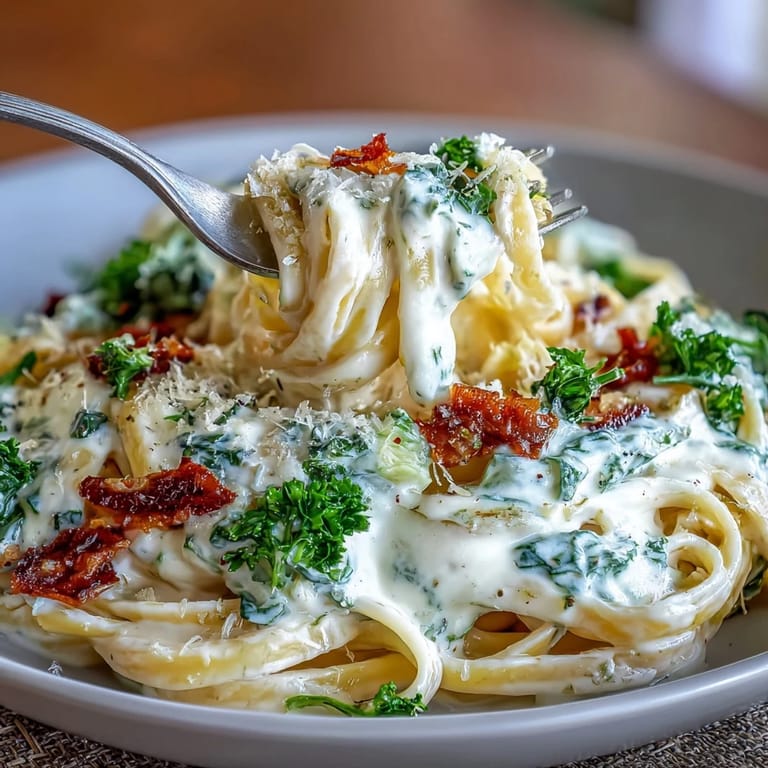
 Creamy Cabbage Alfredo has surprised and delighted more than a few of my dinner guests—I hope it brings you the same joy, and maybe even inspires your own pasta experiments.
Frequently Asked Questions
- → How should I prepare the cabbage for best texture?
Finely shred the cabbage and cook it over medium heat until softened and slightly caramelized (about 6–8 minutes). This concentrates sweetness and prevents a raw, crunchy bite.
- → Why does the sauce sometimes become grainy?
Graininess usually comes from overheating or adding cheese to boiling liquid. Keep heat low when adding Parmesan, stir gently, and remove from high heat as the cheese melts to maintain a silky sauce.
- → How do I control sauce thickness?
Use reserved pasta water a splash at a time to loosen the sauce; the starches help bind it. To thicken, simmer gently to reduce, or add a little extra grated cheese while stirring.
- → What are good dairy-free or lighter swaps?
For a lighter profile, use half-and-half or whole milk instead of heavy cream and reduce cream cheese. For dairy-free, try a cashew cream base and a vegan grated cheese alternative, but expect a milder flavor.
- → Can I add other vegetables or proteins?
Yes—sautéed mushrooms, spinach, or peas work well. For protein, toss in roasted chicken, seared tofu, or white beans; add them near the end to heat through without breaking the sauce.
- → How should leftovers be stored and reheated?
Store cooled portions in an airtight container in the fridge for up to 3 days. Reheat gently over low heat with a splash of water or milk to restore creaminess, stirring often to prevent splitting.