 Save
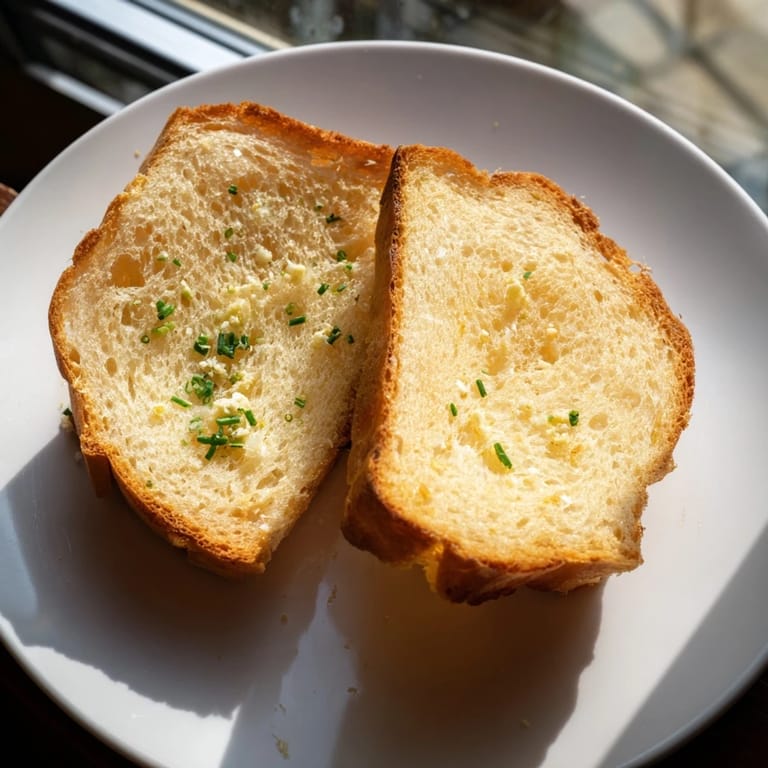
Save My neighbor Sarah handed me a plate of these cloud bread toasts one afternoon, and I was genuinely skeptical—something that light couldn't possibly taste this good. She caught my doubt and laughed, explaining how she'd stumbled upon them while looking for low-carb options that didn't taste like cardboard. One bite changed everything; the garlic and Parmesan created this savory depth that made me wonder why I'd never thought to whip egg whites into submission before. Now I make a batch whenever I want something that feels indulgent but leaves me feeling energized rather than weighed down.
Last winter, I served these at a small dinner party, and someone asked if I'd bought them from a bakery because they couldn't believe how airy they were. That moment stuck with me—it's rare when simple ingredients transform into something that genuinely impresses people without pretension. My friend with celiac disease actually teared up a little, which sounds dramatic, but she said she'd forgotten what bread could feel like in her mouth. That's when I realized this recipe was about more than just low-carb trends; it was about inclusion and joy.
Ingredients
- Eggs, separated: The egg whites are your structure—they need to be truly stiff, and even a speck of yolk will sabotage you, so keep them separate and use a very clean bowl.
- Cream of tartar: This stabilizes your whites and helps them reach those perfect peaks without collapsing halfway through baking.
- Parmesan cheese: Finely grated is non-negotiable; pre-shredded cheese has anti-caking agents that make the texture grainy and disappointing.
- Cream cheese: Softened at room temperature is crucial; it binds the yolks and adds richness without heaviness.
- Garlic and fresh herbs: These are what make it taste like real food, not a protein experiment—don't skip them or substitute with dried versions.
Tired of Takeout? 🥡
Get 10 meals you can make faster than delivery arrives. Seriously.
One email. No spam. Unsubscribe anytime.
Instructions
- Prepare your workspace:
- Preheat the oven to 300°F and line your baking sheet with parchment paper—you'll thank yourself when these don't stick. Cold ovens and hot baking sheets don't work well together for something this delicate.
- Whip those whites:
- In a completely clean, dry bowl, beat the egg whites with cream of tartar until they form stiff peaks that stand straight up when you lift the beaters. This takes about 3-4 minutes with an electric mixer, and yes, it matters that they're actually stiff.
- Build the yolk base:
- In another bowl, whisk the egg yolks with softened cream cheese, Parmesan, minced garlic, fresh chives, parsley, oregano, salt, and pepper until everything is smooth and well combined. This mixture should smell incredibly aromatic—if it doesn't, you might need to add more garlic.
- Fold with care:
- Gently fold the egg whites into the yolk mixture in three separate additions, using a spatula and turning the bowl as you go rather than stirring aggressively. This is where patience matters; you want to keep as much air as possible in those whites.
- Shape and bake:
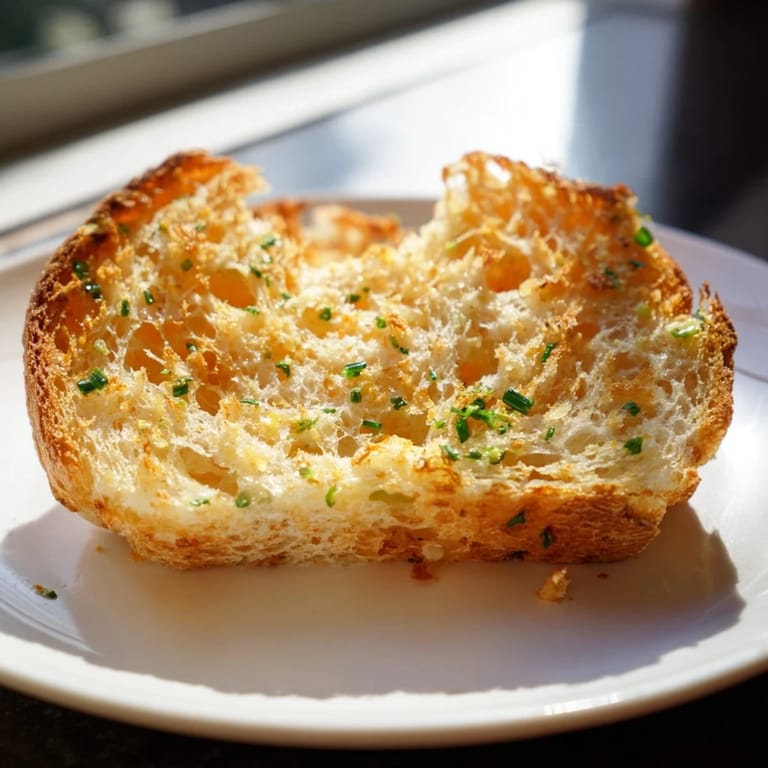
- Spoon the mixture onto parchment paper in six roughly even rounds, about ½ inch thick, and slide them into the oven. They'll bake for about 25 minutes until they're golden brown on top and set but still slightly soft inside.
- Cool and serve:
- Let them cool for a few minutes on the baking sheet so they firm up slightly, then transfer to a plate. Serve warm or at room temperature with whatever dipping sauce calls to you.
 Pin it
 There was a moment during a midweek scramble when I realized cloud bread had quietly become my answer to three different situations: a gluten-free lunch option for friends, a snack I didn't feel guilty eating at midnight, and a way to prove to myself that simple ingredients could create something genuinely special. That intersection of practical and delicious is where the best recipes live.
Why Low and Slow Matters Here
The 300°F temperature isn't arbitrary—it allows the cloud bread to set gently without browning too quickly on the outside while the inside remains airy and delicate. I've experimented with higher temperatures out of impatience, and the result is always a crispy shell with an undercooked, slightly wet center that feels more like an egg soufflé than bread. Respecting the lower temperature feels counterintuitive when you're hungry, but it's the secret to getting that perfect balance of structure and lightness.
The Herb Game
Fresh herbs make the difference between something that tastes clean and modern versus something that tastes flat and institutional. I've tried dried chives and parsley out of convenience, and they simply don't provide the same brightness—fresh herbs offer a visual signal to your brain that you're about to eat something real and thoughtful. Snipping them finely ensures they distribute evenly throughout the batter and release their oils while baking.
Ways to Serve and Adapt
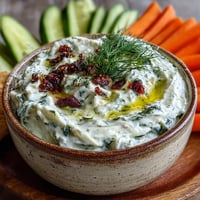
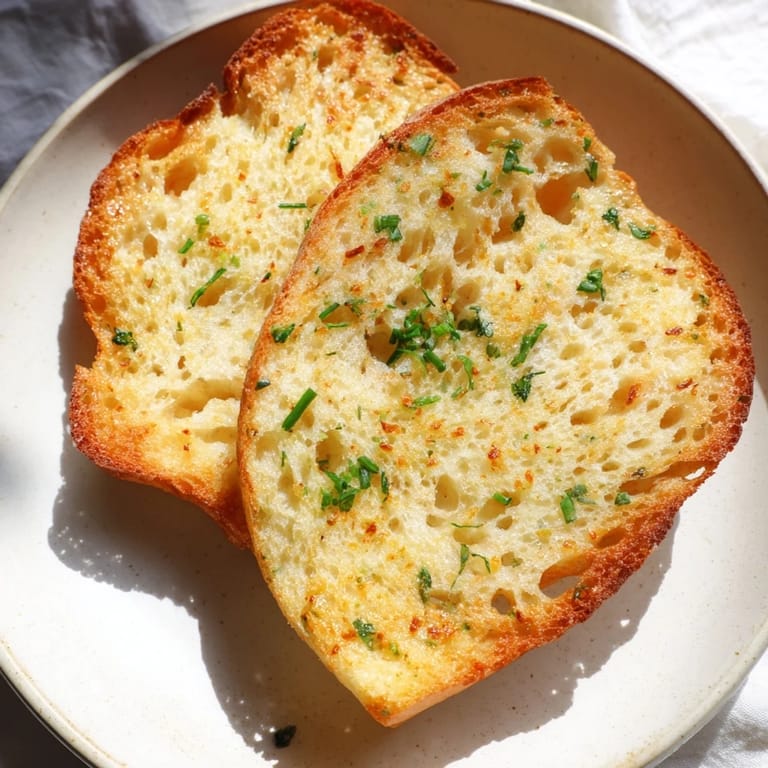
These cloud toasts work as a vehicle for so many different moments: warm from the oven with whipped feta and fresh dill, torn into pieces for dunking into tomato soup, or sliced and topped with avocado for a quick breakfast. My version sticks to the classic garlic and Parmesan combination, but once you understand the technique, you can experiment with everything from everything bagel seasoning to za'atar.
- Try dipping into marinara sauce or pesto for a classic Italian vibe.
- Add smoked paprika or chili flakes to the batter if you want subtle heat without overwhelming the delicate flavor.
- Substitute Pecorino Romano for a sharper, more assertive cheese if Parmesan feels too mild for your taste.
 Pin it
 Cloud bread savory toast is proof that the most satisfying discoveries often come from simple ingredients treated with respect and intention. Make a batch this week and see what happens when you hand someone something that defies their expectations about what bread can be.
Frequently Asked Questions
- → Why do egg whites need to be beaten to stiff peaks?
Beating egg whites to stiff peaks incorporates air, creating the signature fluffy texture. The protein structure traps air bubbles, which expand during baking and create the light, cloud-like crumb.
- → Can I prepare the batter ahead of time?
It's best to bake immediately after folding, as the whipped egg whites will gradually deflate. However, you can prepare ingredients separately and fold just before baking for optimal texture.
- → What temperature is ideal for baking?
A low oven temperature of 300°F (150°C) allows gentle, even baking without browning too quickly. This preserves the delicate, airy interior while achieving a golden exterior.
- → How do I prevent the mixture from deflating when folding?
Use a gentle hand and fold in three additions, using a rubber spatula with an under-and-over motion. Avoid stirring or aggressive mixing, which breaks down the aerated egg whites.
- → What are good serving suggestions?
Serve warm with marinara sauce, pesto, whipped feta, or alongside soups for dipping. The neutral base pairs well with both savory spreads and light dips.
- → Can I add different herbs or seasonings?
Absolutely. Try adding chili flakes, smoked paprika, or Italian seasoning. Substitute Parmesan with Pecorino Romano, Gruyère, or other hard cheeses for varying flavor profiles.